Our specialist stores
Our specialist stores


Loft Insulation GA4000
Increasing your home’s energy efficiency is crucial to achieving a better quality of life. If you are looking at loft insulation costs, then you are making a solid investment, as it is an outstandingly great way to prevent heat loss and considerably reduce your heating bills.
What is loft insulation?
Loft insulation is a vital component of a well-insulated home. It acts as a barrier against heat loss, preventing the escape of warmth from living spaces during colder seasons. Alongside reducing thermal loss, loft insulation helps to improve energy efficiency. It can be made from various materials, including fibreglass, cellulose, and rock wool. The effectiveness of the insulation depends on the thickness and density of the material used.
Types of loft insulation
There is a wide range of loft insulation, each with unique features. Some are designed to enhance thermal performance, while others improve acoustics or insulate between rafters. The type of insulation you choose depends on the intended use of your loft space and whether you need warm or cold roof insulation.
Insulation slab. This type of insulation is made of mineral wool and comes in pre-cut rectangular pieces. It is designed to fit between the joists of your loft space. Insulation slabs are easy to handle and install, making them popular for DIY projects. They are also relatively affordable.
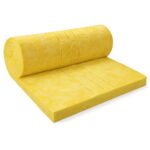
Insulation roll. Insulation rolls are similar to insulation slabs but come in long rolls that can be cut to size. They are typically made of mineral wool and are designed to fit between the joists of your loft space. Insulation rolls are a good choice if you have ample loft space to insulate, as they can be quickly and easily handled.
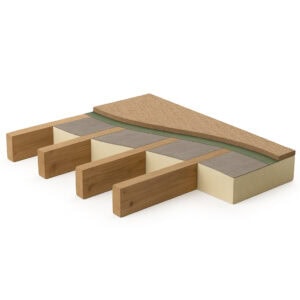
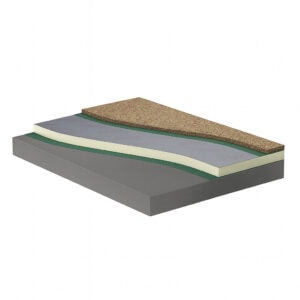
Insulation board. When selecting the best loft insulation, insulation boards are the most preferable. Made of rigid foam, they are designed to be fixed to the underside of your loft space’s roof. They are ideal for various uses and provide perfect insulation while reducing heat loss through your roof. Insulation boards are also a good choice if you plan to use your loft space as a living area, as they can help to create a more comfortable environment.
What is loft insulation made of?
Loft insulation is typically made from various materials, each offering unique characteristics. Below are commonly used materials for loft insulation:
Glass wool insulation: Glass wool insulation is made from recycled glass that is melted and spun into fibres. It is lightweight and easy to install. Glass wool provides effective insulation against energy loss and is a popular choice for loft insulation.
PIR insulation: PIR insulation board is a type of rigid insulation that is easy to cut and simple to install. Each board has an additional foil or a mineral glass coating, which helps it resist fire damage. PIR insulation boards do not sag or become flimsy over time, making them an ideal choice for loft insulation.
Phenolic insulation: Phenolic insulation is a fire-resistant rigid insulation with high thermal performance and low environmental impact. It is used in various applications and is especially suitable for use in areas where fire safety is a concern.
Multifoil insulation: Foiled-based is a type of insulation which is composed of multiple layers of sheets and insulating materials. It is perfect for loft and tight spaces as it is one of the thinnest materials. Its flexibility makes it easy to install in irregular areas with minor damage to walls or ceilings.
Mineral wool insulation: Mineral wool is a form of insulation material made from mineral fibres that come from rocks or industrial by-products. Mineral wool effectively reduces heat transfer and noise transmission due to its robust thermal insulation and sound absorption characteristics. It is also resistant to moisture, pests, mould, and bacteria and is commonly used on walls, roofs, and floors in residential and commercial buildings.
How much is loft insulation?
The cost of loft insulation can vary depending on factors such as the size of the loft, the type and thickness of insulation material, and whether it is a DIY project or professionally installed. On average, insulating a loft costs from £500 to £1500. Using foam insulation will cost about £35 for the materials per m² and £250 per day for labour. The lack of required skilled specialists and the equipment available for traditional insulation determines this.
It is essential to consider loft insulation as a long-term investment. Although the initial cost may seem significant, it can lead to substantial savings on energy bills over time. The exact payback period will depend on factors such as the energy cost, the insulation level installed, and the heating system’s efficiency.
Benefits of loft insulation
Loft insulation provides other crucial advantages besides apparent benefits, including reduced energy consumption and cost-efficiency.
Improved energy efficiency and lower energy bills are the key benefits of insulation. Using energy-efficient appliances, LED lighting, and renewable energy sources makes it possible for you to keep heat inside a building while reducing energy consumption and lowering energy bills.
Improved indoor comfort and temperature control are other benefits of insulation. Insulation helps to regulate the temperature inside a building, keeping it warmer in the winter and cooler in the summer.
Reduced carbon footprint: by reducing energy consumption, you can lower your carbon emissions and minimise the environmental impact. This can be achieved when using renewable energy sources and energy-efficient appliances.
Increased property value: Insulation is an attractive feature, as it can improve energy efficiency and indoor comfort. This, in turn, can increase property value and resale potential, making it a worthwhile investment.
How to insulate a loft?
Loft insulation can be a relatively straightforward process, and it can be done as a DIY project or by hiring a professional. Below is a general guide for insulating a loft:
- Space preparation: Clear the loft of unnecessary items and debris to create a clean working area. Ensure that any potential sources of dampness, such as leaks or condensation, are addressed before proceeding with the insulation.
- Measurements: Measure the area of your loft to determine the insulation material you need. This will depend on the type of insulation and its recommended thickness.
- Insulation material: Select the type of insulation material that best suits your needs and budget. Consider factors such as thermal performance, environmental impact, and ease of installation.
- Insulating the floor (Cold Loft): If opting for cold loft insulation, lay insulation rolls or batts between the loft joists, ensuring a snug fit and complete coverage of the loft floor. Be careful not to compress the insulation, as this can reduce its effectiveness.
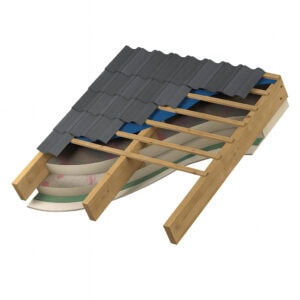
- Insulating the roof (Warm Loft, if applicable): When converting the loft into a heated living space, insulation must be installed on the underside of the roof. This can involve fixing insulation boards or applying insulation blanket rolls directly to the roof’s slope, ensuring proper coverage.
- Sealing gaps and hatches: To maximise insulation effectiveness, fill holes or cracks in the loft, particularly around pipes, vents, and electrical wiring. Install insulation strips or blankets around the loft hatch to prevent heat loss through these openings.
- Professional assistance: If you need clarification on the process or if your loft has complex features, it’s advisable to consult a professional insulation installer. They have the expertise and tools to complete the job efficiently and effectively.
At Insulation Wholesale, you can purchase Loft Insulation at low wholesale prices with fast delivery for most of items within 2-5 days. Competitive rates guaranteed.
FAQ
What loft insulation is best?
The best insulation for your loft depends on the type of property you have and what you want to achieve. For instance, older homes with joist spaces may suit mineral wool, while modern loft conversions often use rigid PIR boards.
For many UK houses, mineral wool rolls are the go-to choice. These are typically manufactured from glass wool or rock wool. They are affordable, easy to install, and offer excellent thermal and acoustic insulation.
If you are short on space or want better thermal performance, go for PIR panels. PIR insulation boards offer high performance in thin layers.
What does loft insulation do?
Loft insulation traps heat inside in the winter and keeps hot air out in the summer. Experts say that up to a quarter of a home’s heat can escape through an uninsulated roof.
Therefore, proper loft insulation can reduce heat loss by as much as 25%, helping lower energy bills. It will also help keep indoor temperatures comfortable all year round.
How does loft insulation work?
It slows the transfer of heat through the roof structure. Insulating products such as mineral wool contain millions of tiny air pockets that trap warm air. This means less heat escapes in cold weather and less heat penetrates the house in warmer weather.
Can loft insulation be used in walls?
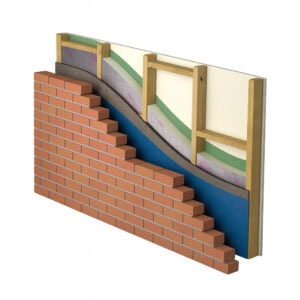
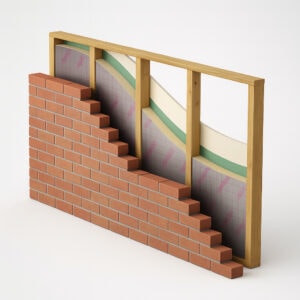
Yes, loft insulation materials such as glass and rock mineral wool can be used in walls, provided the product is rated for wall applications. It provides comparable thermal performance and can offer good sound insulation, depending on density.
Standard loft rolls are used in some wall applications, but cavity walls typically require purpose-made cavity insulation. Just check the label to make sure it’s certified for walls (fire safety and moisture regulations).
Will loft insulation stop condensation?
Loft insulation can reduce condensation, but on its own, it might not eliminate it altogether. This happens because insulation reduces the possibility of moisture forming on cold surfaces. But you still need proper ventilation to let moist air escape. When you insulate and ventilate the loft properly, it will keep condensation under control.
Loft Insulation Range
-
100mm Celotex GA4100 PIR Insulation Board 2400mm x 1200mm (8′ x 4′) 2.88m2
100mm Celotex GA4100 is a polyisocyanurate (PIR) insulation core with composite aluminium foil facings on both sides. Celotex is a multi-purpose insulation board suitable for use in pitched roofs, ceilings, floors and walls.
£37.64£45.17 Ex VATInc VAT£13.07£15.68 Per M2 Add to cart -
50mm Celotex GA4050 PIR Insulation Board 2400mm x 1200mm (8′ x 4′) 2.88m2
50mm Celotex GA4050 is a polyisocyanurate (PIR) insulation core with composite aluminium foil facings on both sides. Celotex is a multi-purpose insulation board suitable for use in pitched roofs, ceilings, floors and walls.
£22.20£26.64 Ex VATInc VAT£7.71£9.25 Per M2 Add to cart -
60mm Celotex GA4060 PIR Insulation Board 2400mm x 1200mm (8′ x 4′) 2.88m2
60mm Celotex GA4060 is a polyisocyanurate (PIR) insulation core with composite aluminium foil facings on both sides. Celotex is a multi-purpose insulation board suitable for use in pitched roofs, ceilings, floors and walls.
£26.84£32.21 Ex VATInc VAT£9.32£11.18 Per M2 Add to cart -
70mm Celotex GA4070 PIR Insulation Board 2400mm x 1200mm (8′ x 4′) 2.88m2
70mm Celotex GA4070 is a polyisocyanurate (PIR) insulation core with composite aluminium foil facings on both sides. Celotex is a multi-purpose insulation board suitable for use in pitched roofs, ceilings, floors and walls.
£30.80£36.96 Ex VATInc VAT£10.69£12.83 Per M2 Add to cart -
75mm Celotex GA4075 PIR Insulation Board 2400mm x 1200mm (8′ x 4′) 2.88m2
75mm Celotex GA4075 is a polyisocyanurate (PIR) insulation core with composite aluminium foil facings on both sides. Celotex is a multi-purpose insulation board suitable for use in pitched roofs, ceilings, floors and walls.
£30.13£36.16 Ex VATInc VAT£10.46£12.55 Per M2 Add to cart -
80mm Celotex GA4080 PIR Insulation Board 2400mm x 1200mm (8′ x 4′) 2.88m2
80mm Celotex GA4080 is a polyisocyanurate (PIR) insulation core with composite aluminium foil facings on both sides. Celotex is a multi-purpose insulation board suitable for use in pitched roofs, ceilings, floors and walls.
£33.87£40.64 Ex VATInc VAT£11.76£14.11 Per M2 Add to cart -
90mm Celotex GA4090 PIR Insulation Board 2400mm x 1200mm (8′ x 4′) 2.88m2
90mm Celotex GA4090 is a polyisocyanurate (PIR) insulation core with composite aluminium foil facings on both sides. Celotex is a multi-purpose insulation board suitable for use in pitched roofs, ceilings, floors and walls.
£37.75£45.30 Ex VATInc VAT£13.11£15.73 Per M2 Add to cart