Internal Wall Insulation
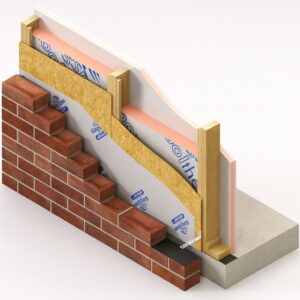
Internal wall insulation is installed on the inner surface of uninsulated or solid exterior walls. This insulation is suitable for solid or uninsulated exterior walls and is typically available in boards, slabs, or rolls.
What is indoor wall insulation?
Indoor wall insulation refers to any insulation system installed on the interior side of exterior walls. This type of insulation is often useful for properties where the external wall cannot be insulated.
Installing insulation on the internal wall establishes a thermal barrier between the indoor space and the wall. This barrier reduces heat transmission through the wall and keeps the interior warmer.
What is internal wall insulation used for?
It is commonly used in terraced houses, listed buildings, and properties with decorative facades. External insulation is often unsuitable for these properties, making internal insulation the preferred option. It is also ideal for enhancing insulation in older properties.
Insulating interior walls helps to:
- Improve thermal efficiency.
- Reduce heating costs.
- Eliminate cold spots and draughts.
- Enhance indoor comfort during cold months.
- Reduce surface condensation on cold walls
- Meet Building Regulations for energy performance in renovations.
Types of internal insulation for walls
The best choice for insulation for interior walls depends on available space, budget, and wall type. Here’s a quick look at popular options and what makes each ideal for different needs:
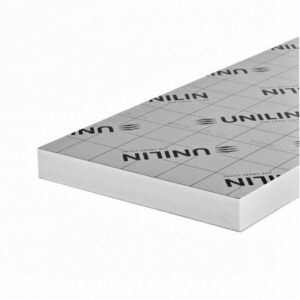
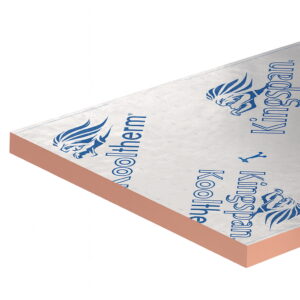
PIR insulation
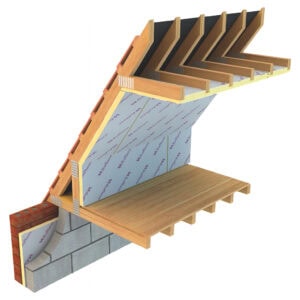
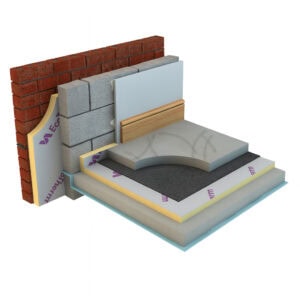
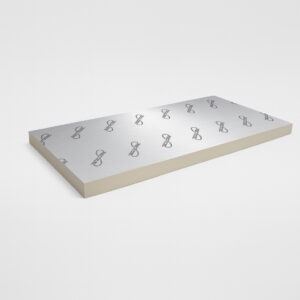
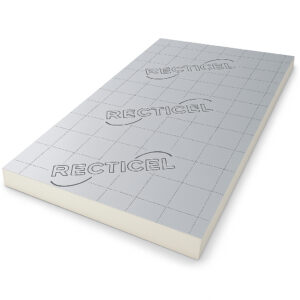
PIR boards are ideal for limited space, as they deliver remarkable thermal performance in a slim profile. They are easy to cut and install and can be used on both solid and stud walls. PIR boards with foil facings improve vapour control.
Insulated plasterboard
These are PIR boards faced with plasterboard. They offer a two-in-one solution that delivers efficient thermal protection and a smooth wall finish. A practical option for quick installation, they are ready for decoration immediately after fitting.
Ensure all board joints are sealed to prevent cold spots and air leakage.
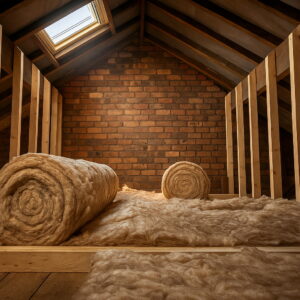
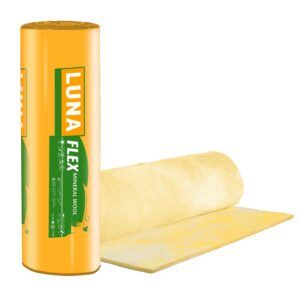
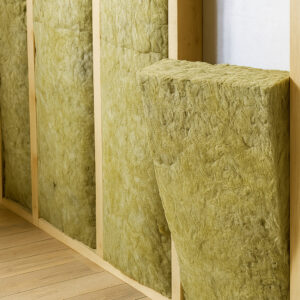
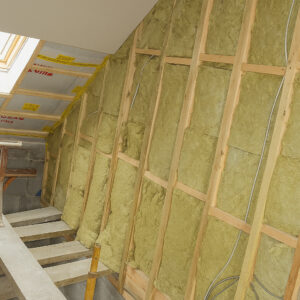
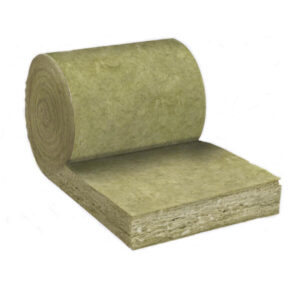
Mineral wool insulation Rolls or Slabs
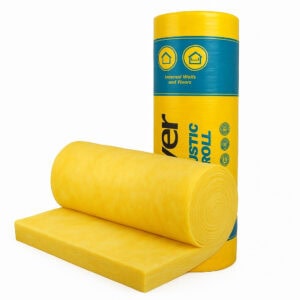
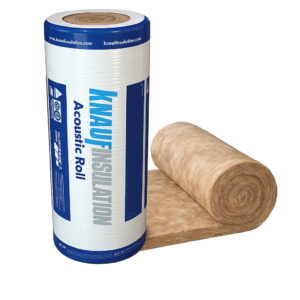
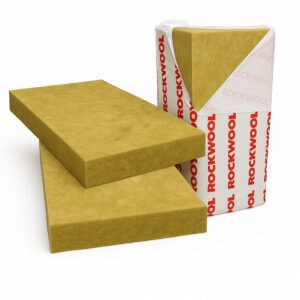
Flexible rolls and slabs can expand to seal spaces, making them excellent for uneven surfaces. However, they may require a vapour control layer to prevent internal condensation.
They are easy to cut and install, and are easily added to timber and metal stud walls. Rolls and slabs also offer good acoustic insulation and fire resistance.
Party wall insulation
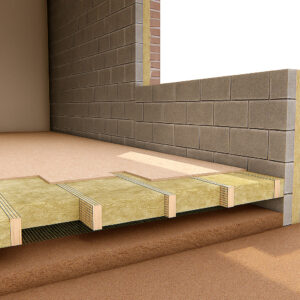
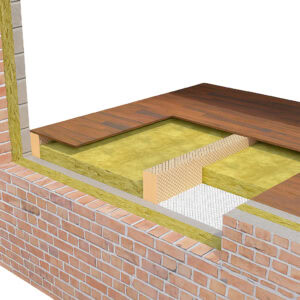
Party wall insulation is used in walls that separate two properties – like semi-detached or terraced homes. While it is primarily installed for acoustic control, it also offers limited thermal advantages.
Sound-absorbing insulation, usually mineral wool, is used to fill the wall cavity or internal lining. The fibrous material traps sound vibrations and stops them from passing through the wall, while also minimising heat loss between homes.
Partition wall insulation
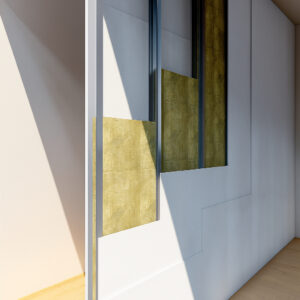
Partition wall insulation is mainly used for sound control rather than heat retention. It is installed in internal partition walls, such as between bedrooms or offices, where it sits between the studs.
The insulation absorbs voices, television noise, and general airborne sounds. Breaking up sound waves in this manner makes rooms quieter and far more comfortable.
Benefits of internal wall insulation
Installing indoor insulation on walls comes with benefits such as:
- Enhanced comfort due to better heat retention
- Higher energy efficiency
- Lower heating bills
- Acoustic insulation, as it dampens sounds from outside and between rooms
- Flexible installation, as you can decide where to add the insulation without making exterior changes
- Improved property value because energy-efficient houses have higher EPC ratings and market appeal.
Why choose our wall insulation for indoor use?
Here is why Insulation Wholesale is the go-to store for indoor wall insulation:
- We offer a wide range of PIR insulation, EPS insulation, and mineral wool options.
- Our interior wall insulation delivers excellent U-value improvement with minimal thickness.
- It is simple to install, with lasting results.
- All our indoor insulation is compliant with UK Building Regulations.
- Get expert advice and support from our insulation specialists.
- We aim to deliver within 1–3 working days unless stated otherwise.
Save energy, cut heating costs, and insulate your property the smart way. Shop internal wall insulation today for fast delivery across the UK.
FAQ
What is internal wall insulation?
Internal wall insulation is the material used to add a thermal layer to solid-walled homes. It is especially useful for older solid wall houses and is commonly available as PIR boards, EPS panels, and mineral wool.
How much does internal wall insulation cost?
The total cost depends on material choice and project size. Prices are usually calculated per square metre for both boards and rolls. They can start as low as £2-£3 and climb to £49 or more per m².
These prices typically refer to supply only; installation costs are additional.
How thick should internal wall insulation be?
Thickness varies depending on the material and available space. Thicker insulation provides better thermal resistance, but consider whether you have enough space for it.
For optimal performance, a thickness range of 50 - 100mm applies to PIR boards. EPS boards require 75 - 100mm, while mineral wool slabs and rolls require 100 - 150mm.
Consider getting a recommendation for optimal insulation thickness from a qualified installer. Thicker insulation improves U-values by reducing heat loss through the wall.
How to fit internal wall insulation?
You can fit insulation on interior walls using two methods. In both, the walls should be clean and dry before adding the insulant.
- Direct Fix: This is where you attach the boards directly to the wall and add a finish of your liking.
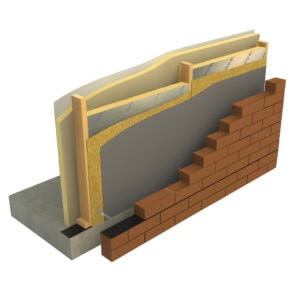
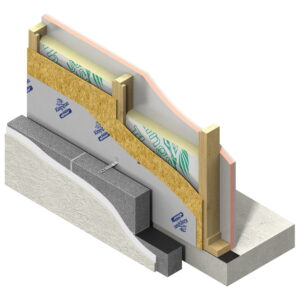
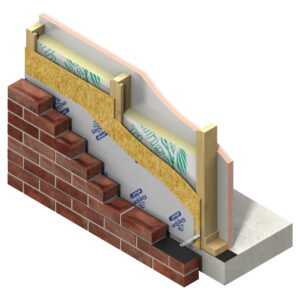
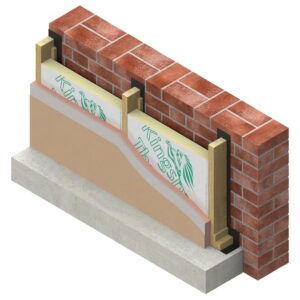
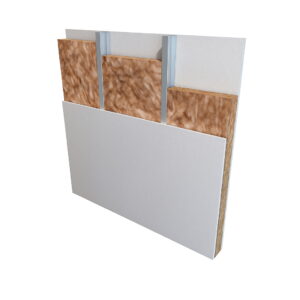
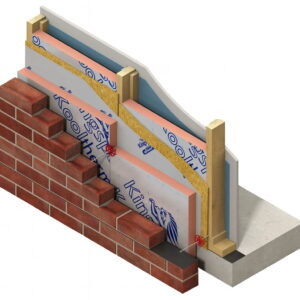
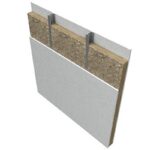
- Batten and Frame: Here, you fix timber or metal studs to the wall, insert the insulation slab or roll, then cover with plasterboard.
Improper installation can lead to interstitial condensation; always use a vapour control layer where required.
If unsure of doing a perfect installation, consult a qualified installer to avoid condensation or cold bridging issues.
Showing 1–32 of 192 results
-


100mm Ecotherm Eco-Versal Rigid PIR Insulation Board 2400mm x 1200mm (8′ x 4′) 2.88m2
100mm Ecotherm Eco-Versal is a polyisocyanurate (PIR) insulation core with composite aluminium foil facings on both sides. Ecotherm Eco-Versal is a multi-purpose insulation board suitable for use in pitched roofs, ceilings, floors and walls.
£30.85£37.02 Ex VATInc VAT£10.71£12.85 Per M2 Add to cart -

100mm Expanded Polystyrene EPS100 Insulation Board 2400mm x 1200mm (8′ x 4′) Pack of 24 (69.12m2)
100mm EPS100, often known as Expanded Polystyrene, is a lightweight foam product produced from tiny polystyrene beads. Due to its high thermal value and simplicity of usage, it is commonly used as one of the most favoured insulation materials in construction.
£501.00£601.20 Ex VATInc VAT£7.25£8.70 Per M2 Add to cart -
100mm Expanded Polystyrene EPS150 Floor Insulation Board 2400mm x 1200mm (8′ x 4′) Pack of 6 (17.28m2)
100mm EPS150, often known as Expanded Polystyrene, is a lightweight foam product produced from tiny polystyrene beads. Due to its high thermal value and simplicity of usage, it is commonly used as one of the most favoured insulation materials in construction.
£175.69£210.83 Ex VATInc VAT£10.17£12.20 Per M2 Add to cart -
100mm Isover Acoustic Partition Insulation Roll – Glass Mineral Wool 11m2
100mm Isover Acoustic Partition Insulation Roll is a glass mineral wooldesigned to reduce sound transmission between walls and floors, creating quieter and more comfortable spaces.
£47.62£57.14 Ex VATInc VAT£4.33£5.20 Per m2 Add to cart -
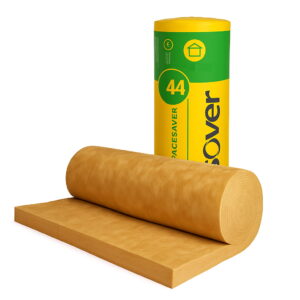
100mm Isover Spacesaver Insulation Loft Roll 14.13m2
100mm Isover Spacesaver Insulation Loft Roll is an efficient and easy-to-install solution for insulating loft spaces, designed to enhance energy efficiency and home comfort.
£31.78£38.14 Ex VATInc VAT£2.25£2.70 Per m2 Add to cart -
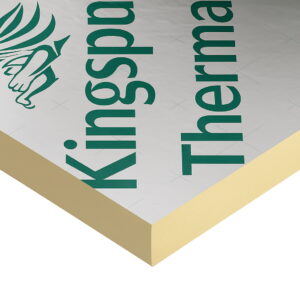
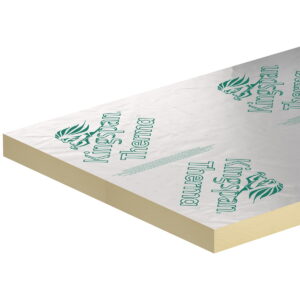
100mm Kingspan Therma TP10 / TF70 / TW55 PIR Insulation Board 2400mm x 1200mm (8′ x 4′) Pack of 3 (8.64m2)
All three models 100mm Kingspan Therma PIR Insulation Board:
- 100mm Thermapitch TP10
- 100mm Thermafloor TF70
- 100mm Thermawall TW55
share the same high-performance PIR core and low-emissivity foil facings, offering excellent thermal efficiency and easy installation. Although labeled differently, these boards share identical technical specifications.
£156.03£187.24 Ex VATInc VAT£18.06£21.67 Per M2 Add to cart -
100mm Knauf Acoustic Insulation Roll – Glass Mineral Wool 12.36m2
100mm Acoustic Insulation Roll from Knauf is a Glass Mineral Wool roll, designed for use in internal wall and floor applications, to offer sound absorption and noise reduction properties.
£50.42£60.50 Ex VATInc VAT£4.08£4.90 Per m2 Add to cart -
100mm ODE Acoustic Roll Insulation 7.8m2 Roll
100mm ODE Insulation Acoustic Roll is designed to reduce sound transmission, making it an ideal solution for creating quieter indoor environments. Its flexible and simple-to-install design effectively absorbs sound, making it perfect for both residential and commercial spaces.
£24.41£29.29 Ex VATInc VAT£3.13£3.76 Per m2 Add to cart -
100mm Recticel Eurothane Eurodeck Insulation Board 2400mm x 1200mm Pack of 4 (11.52m2)
100mm Eurothane® Eurodeck is compatible with mechanically fixed single-ply systems, benefiting from high compressive strength and excellent dimensional stability that ensures the flat surface finish required for optimum performance in new build and refurbishment projects. It is faced on both sides with a multi-layer coated aluminum foil.
£177.89£213.47 Ex VATInc VAT£15.44£18.53 Per M2 Add to cart -
100mm Recticel Eurothane GP PIR Insulation Board 2400mm x 1200mm (8′ x 4′) 2.88m2
100mm Recticel Eurothane GP is a polyisocyanurate (PIR) insulation core with composite aluminium foil facings on both sides. Recticel is a multi-purpose insulation board suitable for use in pitched roofs, ceilings, floors and walls.
£30.99£37.19 Ex VATInc VAT£10.76£12.91 Per M2 Add to cart -
100mm Rockwool Flexi Slab Acoustic Insulation 1200mm x 600mm 4.32m2 Pack
100mm Rockwool Flexi has been designed as a multi-use, dual-purpose acoustic and thermal mineral wool insulation with a unique flexible edge along one side. It is suitable for use all over the home, in pitched roof rafters, framed external walls, internal partitions, intermediate floors, separating walls and floors, and timber suspended ground floors.
£40.41£48.49 Ex VATInc VAT£9.35£11.22 Per m2 Add to cart -
100mm Rockwool RWA45 Acoustic Insulation Slab 1200 x 600mm 2.88m2 Pack
100mm Rockwool RWA45 has been developed for thermal, acoustic and fire performance in a range of construction types. It is suitable for applications on partition walls, ceilings, floors and roofs.
£21.39£25.67 Ex VATInc VAT£7.43£8.92 Per m2 Add to cart -
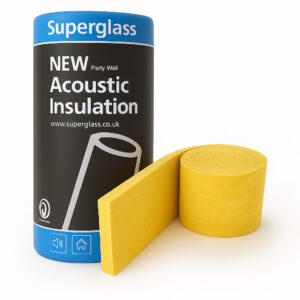
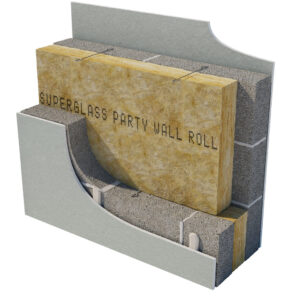
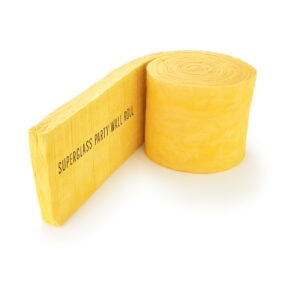
100mm Superglass Party Wall Roll 7.85m2
Superglass Party Wall Roll is a lightweight, non-combustible glass mineral wool insulation roll. The flexible roll is cut at 3x455mm widths to fit between standard wall ties spacings and to allow easy installation and minimum on-site cutting and waste. Manufactured at a minimum density of 18kg/m3 .
£63.22£75.86 Ex VATInc VAT£8.05£9.66 Per m2 Add to cart -
100mm URSA Party Wall Roll 5.46m2
100mm URSA Party Wall Roll is a high-density insulation that helps reduce noise transfer between connecting walls, creating quieter spaces in both homes and commercial buildings.
£52.38£62.86 Ex VATInc VAT£9.59£11.51 Per m2 Add to cart -
110mm Ecotherm Eco-Versal Rigid PIR Insulation Board 2400mm x 1200mm (8′ x 4′) 2.88m2
110mm Ecotherm Eco-Versal is a polyisocyanurate (PIR) insulation core with composite aluminium foil facings on both sides. Ecotherm Eco-Versal is a multi-purpose insulation board suitable for use in pitched roofs, ceilings, floors and walls.
£38.42£46.10 Ex VATInc VAT£13.34£16.01 Per M2 Add to cart -
110mm Recticel Eurothane Eurodeck Insulation Board 2400mm x 1200mm Pack of 3 (8.64m2)
110mm Eurothane® Eurodeck is compatible with mechanically fixed single-ply systems, benefiting from high compressive strength and excellent dimensional stability that ensures the flat surface finish required for optimum performance in new build and refurbishment projects. It is faced on both sides with a multi-layer coated aluminum foil.
£157.76£189.31 Ex VATInc VAT£18.26£21.91 Per M2 Add to cart -
110mm Recticel Eurothane GP PIR Insulation Board 2400mm x 1200mm (8′ x 4′) 2.88m2
110mm Recticel Eurothane GP is a polyisocyanurate (PIR) insulation core with composite aluminium foil facings on both sides. Recticel is a multi-purpose insulation board suitable for use in pitched roofs, ceilings, floors and walls.
£37.86£45.43 Ex VATInc VAT£13.15£15.78 Per M2 Add to cart -
110mm Unilin Thin-R PIR Insulation Board 2400mm x 1200mm (8′ x 4′) Pallet of 21 (60.48m2)
110mm Unilin Thin-R PIR insulation is a foil faced, high-performance insulation solution that offers exceptional thermal efficiency and durability. This polyisocyanurate insulation board, formerly known as Xtratherm, is ideal for a range of applications, such as floors, pitched roofs, and walls.
POA Get a quote -
120mm Ecotherm Eco-Versal Rigid PIR Insulation Board 2400mm x 1200mm (8′ x 4′) 2.88m2
120mm Ecotherm Eco-Versal is a polyisocyanurate (PIR) insulation core with composite aluminium foil facings on both sides. Ecotherm Eco-Versal is a multi-purpose insulation board suitable for use in pitched roofs, ceilings, floors and walls.
£38.78£46.54 Ex VATInc VAT£13.47£16.16 Per M2 Add to cart -
120mm Kingspan Kooltherm K112 Framing Insulation Board 2400mm x 1200mm Pack of 2 (5.76m2)
120mm Kingspan Kooltherm K112 Framing Board is a premium performance insulation with a fibre-free rigid thermoset phenolic core. It is used to insulate timber and steel framing systems with thermal conductivity of just 0.019 W/mK across all thicknesses.
£348.00£417.60 Ex VATInc VAT£60.42£72.50 Per M2 Add to cart -
120mm Kingspan Therma TP10 / TF70 / TW55 PIR Insulation Board 2400mm x 1200mm (8′ x 4′) Pack of 2 (5.76m2)
All three models 120mm Kingspan Therma PIR Insulation Board:
- 120mm Thermapitch TP10
- 120mm Thermafloor TF70
- 120mm Thermawall TW55
share the same high-performance PIR core and low-emissivity foil facings, offering excellent thermal efficiency and easy installation. Although labeled differently, these boards share identical technical specifications.
£125.00£150.00 Ex VATInc VAT£21.70£26.04 Per M2 Add to cart -
120mm Recticel Eurothane GP PIR Insulation Board 2400mm x 1200mm (8′ x 4′) 2.88m2
120mm Recticel Eurothane GP is a polyisocyanurate (PIR) insulation core with composite aluminium foil facings on both sides. Recticel is a multi-purpose insulation board suitable for use in pitched roofs, ceilings, floors and walls.
£38.22£45.86 Ex VATInc VAT£13.27£15.92 Per M2 Add to cart -
125mm Kingspan Therma TP10 / TF70 / TW55 PIR Insulation Board 2400mm x 1200mm (8′ x 4′) Pack of 2 (5.76m2)
All three models 20mm Kingspan Therma PIR Insulation Board:
- 125mm Thermapitch TP10
- 125mm Thermafloor TF70
- 125mm Thermawall TW55
share the same high-performance PIR core and low-emissivity foil facings, offering excellent thermal efficiency and easy installation. Although labeled differently, these boards share identical technical specifications.
£144.39£173.27 Ex VATInc VAT£25.07£30.08 Per M2 Add to cart -
130mm Ecotherm Eco-Versal Rigid PIR Insulation Board 2400mm x 1200mm (8′ x 4′) 2.88m2
130mm Ecotherm Eco-Versal is a polyisocyanurate (PIR) insulation core with composite aluminium foil facings on both sides. Ecotherm Eco-Versal is a multi-purpose insulation board suitable for use in pitched roofs, ceilings, floors and walls.
£44.17£53.00 Ex VATInc VAT£15.34£18.41 Per M2 Add to cart -
130mm Recticel Eurothane Eurodeck Insulation Board 2400mm x 1200mm Pack of 3 (8.64m2)
130mm Eurothane® Eurodeck is compatible with mechanically fixed single-ply systems, benefiting from high compressive strength and excellent dimensional stability that ensures the flat surface finish required for optimum performance in new build and refurbishment projects. It is faced on both sides with a multi-layer coated aluminum foil.
£185.54£222.65 Ex VATInc VAT£21.47£25.76 Per M2 Add to cart -
130mm Recticel Eurothane GP PIR Insulation Board 2400mm x 1200mm (8′ x 4′) 2.88m2
130mm Recticel Eurothane GP is a polyisocyanurate (PIR) insulation core with composite aluminium foil facings on both sides. Recticel is a multi-purpose insulation board suitable for use in pitched roofs, ceilings, floors and walls.
£43.54£52.25 Ex VATInc VAT£15.12£18.14 Per M2 Add to cart -
140mm Kingspan Therma TP10 / TF70 / TW55 PIR Insulation Board 2400mm x 1200mm (8′ x 4′) Pack of 2 (5.76m2)
All three models 140mm Kingspan Therma PIR Insulation Board:
- 140mm Thermapitch TP10
- 140mm Thermafloor TF70
- 140mm Thermawall TW55
share the same high-performance PIR core and low-emissivity foil facings, offering excellent thermal efficiency and easy installation. Although labeled differently, these boards share identical technical specifications.
£156.28£187.54 Ex VATInc VAT£27.13£32.56 Per M2 Add to cart -
140mm Recticel Eurothane Eurodeck Insulation Board 2400mm x 1200mm Pack of 3 (8.64m2)
140mm Eurothane® Eurodeck is compatible with mechanically fixed single-ply systems, benefiting from high compressive strength and excellent dimensional stability that ensures the flat surface finish required for optimum performance in new build and refurbishment projects. It is faced on both sides with a multi-layer coated aluminum foil.
£197.44£236.93 Ex VATInc VAT£22.85£27.42 Per M2 Add to cart -
140mm Recticel Eurothane GP PIR Insulation Board 2400mm x 1200mm (8′ x 4′) 2.88m2
140mm Recticel Eurothane GP is a polyisocyanurate (PIR) insulation core with composite aluminium foil facings on both sides. Recticel is a multi-purpose insulation board suitable for use in pitched roofs, ceilings, floors and walls.
£44.90£53.88 Ex VATInc VAT£15.59£18.71 Per M2 Add to cart -
140mm Rockwool Flexi Slab Acoustic Insulation 1200mm x 600mm 2.88m2 Pack
140mm Rockwool Flexi has been designed as a multi-use, dual-purpose acoustic and thermal mineral wool insulation with a unique flexible edge along one side. It is suitable for use all over the home, in pitched roof rafters, framed external walls, internal partitions, intermediate floors, separating walls and floors, and timber suspended ground floors.
£37.80£45.36 Ex VATInc VAT£13.13£15.76 Per m2 Add to cart -
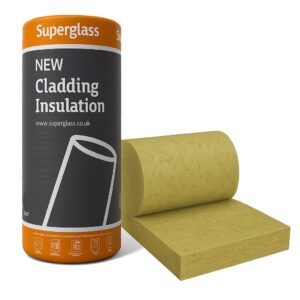
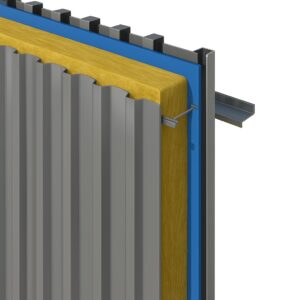
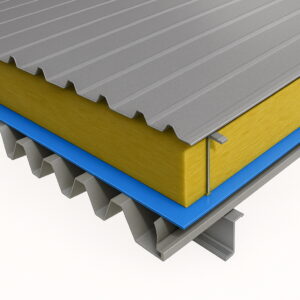
140mm Superglass Cladding Mat 40 Thermal & Acoustic Roll 8.40m2
140mm Superglass Cladding Mat 40 is a resilient, medium dense and non-combustible glass mineral wool insulation roll with exceptional durability and high tear strength. The roll is supplied 1200mm wide to allow quick installation and minimum on-site cutting and waste.
£40.00£48.00 Ex VATInc VAT£4.76£5.71 Per m2 Add to cart -
150mm Ecotherm Eco-Versal Rigid PIR Insulation Board 2400mm x 1200mm (8′ x 4′) 2.88m2
The 150mm Ecotherm Eco-Versal is a polyisocyanurate (PIR) insulation core with composite aluminium foil facings on both sides. Ecotherm Eco-Versal is a multi-purpose insulation board suitable for use in pitched roofs, ceilings, floors and walls.
£46.07£55.28 Ex VATInc VAT£16.00£19.20 Per M2 Add to cart