Our specialist stores
Our specialist stores


Polystyrene Insulation Board EPS200
A Polystyrene Insulation Board is a rigid insulation material made from polystyrene foam. You can utilise it in buildings to create thermal insulation by reducing heat transmission. The boards offer excellent insulating properties because of their low warmth conductivity, are lightweight, and come in various sizes. They are often used in foundations, walls, roofs, and floors to improve energy efficiency and maintain an optimal internal temperature.
Read more about Polystyrene Insulation Board.
Polystyrene Insulation Board Range
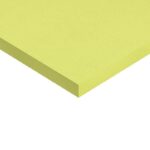
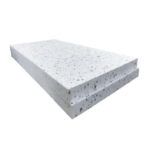
-

100mm Expanded Polystyrene EPS200 Floor Insulation Board 2400mm x 1200mm (8′ x 4′) Pack of 6 (17.28m2)
100mm EPS200, often known as Expanded Polystyrene, is a lightweight foam product produced from tiny polystyrene beads. Due to its high thermal value and simplicity of usage, it is commonly used as one of the most favoured insulation materials in construction.
£340.37£408.44 Ex VATInc VAT£19.70£23.64 Per M2 Add to cart -
150mm Expanded Polystyrene EPS200 Floor Insulation Board 2400mm x 1200mm (8′ x 4′) Pack of 4 (11.52m2)
150mm EPS200, often known as Expanded Polystyrene, is a lightweight foam product produced from tiny polystyrene beads. Due to its high thermal value and simplicity of usage, it is commonly used as one of the most favoured insulation materials in construction.
£340.37£408.44 Ex VATInc VAT£29.55£35.46 Per M2 Add to cart -
25mm Expanded Polystyrene EPS200 Floor Insulation Board 2400mm x 1200mm (8′ x 4′) Pack of 24 (69.12m2)
25mm EPS200, often known as Expanded Polystyrene, is a lightweight foam product produced from tiny polystyrene beads. Due to its high thermal value and simplicity of usage, it is commonly used as one of the most favoured insulation materials in construction.
£340.52£408.62 Ex VATInc VAT£4.93£5.92 Per M2 Add to cart -
50mm Expanded Polystyrene EPS200 Floor Insulation Board 2400mm x 1200mm (8′ x 4′) Pack of 12 (34.56m2)
50mm EPS200, often known as Expanded Polystyrene, is a lightweight foam product produced from tiny polystyrene beads. Due to its high thermal value and simplicity of usage, it is commonly used as one of the most favoured insulation materials in construction.
£340.37£408.44 Ex VATInc VAT£9.85£11.82 Per M2 Add to cart -
75mm Expanded Polystyrene EPS200 Floor Insulation Board 2400mm x 1200mm (8′ x 4′) Pack of 8 (23.04m2)
75mm EPS200, often known as Expanded Polystyrene, is a lightweight foam product produced from tiny polystyrene beads. Due to its high thermal value and simplicity of usage, it is commonly used as one of the most favoured insulation materials in construction.
£327.68£393.22 Ex VATInc VAT£0.40£0.48 Per M2 Add to cart
Types of polystyrene insulation board
Due to its outstanding heating qualities, polystyrene insulation board, a type of insulation material, is widely used. It is produced from expanded polystyrene (EPS) or extruded polystyrene (XPS), a lightweight and rigid foam. These boards are typically utilised in residential, commercial, and industrial settings to prevent heat gain or loss and increase energy efficiency.
- XPS insulation boards: XPS polystyrene insulation boards stand for extruded polystyrene boards, which are melted and then moulded into rigid boards during extrusion. They have a closed-cell structure, offer high moisture resistance and excellent thermal insulation. XPS insulation boards provide great compressive strength while making them ideal for insulation that can withstand weight, as beneath concrete slabs.
- EPS insulation boards: Expanded polystyrene refers to EPS insulation boards, another widely used type of polystyrene insulation. Expanded polystyrene beads are used to make EPS boards, fused to create a solid board. They are lightweight and portable and provide excellent thermal protection. Reasonably priced EPS insulation boards are a standard residential and commercial construction option.
What is the difference between XPS polystyrene insulation and EPS polystyrene insulation board?
The primary distinctions between these two polystyrene sheets are XPS and EPS insulation boards’ physical properties and manufacturing techniques. Unlike open-cell EPS boards, XPS boards have a closed-cell design that makes them more resistant to moisture absorption. This allows XPS boards to be used for applications such as below-grade or damp-area insulation, where waterproofing is critical. EPS boards, on the other hand, are typically utilised above grade, where moisture resistance is less significant.
Why is polystyrene board a good insulator, and its key benefits?
Polystyrene is a good insulator due to its strong resistance and low thermal conductivity. Polystyrene foam’s structure traps air inside its cells while creating excellent thermal insulation characteristics. This helps to lower heat loss in winter and gain warmth in the summer.
Below are the key benefits of a polystyrene insulation board:
- Energy efficiency: building energy efficiency is increased by polystyrene insulation boards since they require less heating and cooling. Over time, this could end in significant energy cost reductions.
- Moisture resistance: polystyrene insulation boards, particularly XPS boards, offer strong moisture resistance capabilities that help avoid the risk of water absorption and potential damage to the insulation and building structure.
- Versatility: these boards may be used for various purposes, including floor coverings, walls, and roofs. They are easy to install in both new and old buildings and are suitable with a wide range of building materials.
- Durability: polystyrene insulating boards have a long lifespan and are sturdy. They remain stable with time and can keep their thermal insulation qualities for many years.
Where can you use polystyrene insulation board?
You can apply polystyrene insulation boards to achieve improved thermal efficiency in various places. Here are some typical applications areas:
- Walls: You can avoid heat loss and use less energy by simply installing polystyrene insulation boards on the interior or exterior walls.
- Roofs: To establish a thermal barrier that prevents heat transfer between the building’s interior and exterior, you can install polystyrene insulation boards on the underside of the roof.
- Floors: Polystyrene insulation for floors helps keep rooms at a comfortable temperature while also saving you money on electricity.
- Basements: These boards are frequently used in basements to promote heat retention and stop moisture buildup.
- HVAC ducts: By wrapping around HVAC ducts with polystyrene insulation, you can reduce heat loss while improving the efficiency of the heating and cooling system.
How to cut polystyrene insulation boards?
Using the right tools and following safety guidelines when cutting insulation boards is essential. You can cut polystyrene insulating boards in several different ways, as described below:
With a knife and a straightedge:
- First, you should measure and mark the line on the insulation board where you want to cut it.
- Then place a ruler along the line to make a straight and smooth line.
- In the next stage, you should apply gentle pressure while cutting the board and passing along the marked line several times to avoid stumps of the board.
- If you have thicker boards, passing the marked line several times would be efficient while making sure you cut the board gradually.
With hot wire cutter:
- Ensure that your hot wire cutter corresponds to your board’s length and other parameters.
- As with a knife and a straightedge, you should mark the cutting line on your board.
- Move the hot wire cutter carefully across the marked line, letting the heat melt through the foam as it slides.
Remember that moving slowly and carefully to achieve clean and precise cuts is crucial. To perform these actions correctly, make sure to follow the manufacturer’s instructions on how to use the hot wire cutter safely.
With a Handsaw:
You can use a handsaw to cut thick polystyrene insulation boards.
- The first stage is similar to the initial step mentioned in the previous two methods when you should make the cutting line on your boards.
- Make sure to secure the board thoroughly to prevent its movement during the cutting process.
- Cut your board using the handsaw while applying gentle and steady pressure.
- Don’t rush and slice your board slowly to minimise any potential damage to the board.
As with previous methods, remember to protect yourself by wearing safety glasses, gloves, and a mask to secure yourself from any particles. Also, working in a well-ventilated area is crucial to ensure you don’t breathe in dust or fumes.
How to install a polystyrene insulation board?
You can install your polystyrene insulation boards using different methods, which depend on the type of your boards, the specific application and building requirements. Although, here is a general approach to how to install these boards:
- Prepare the surface: Make sure to clean the area where the boards will be installed so they are tidy, dry, and free of debris.
- Measure and cut: As you understand, having a measured area is crucial to ensure that adequately adjusted and cut boards are accurately placed.
- Fix the boards: Place the insulation boards against the surface to match firmly. Use glue or mechanical fixings (like nails or screws) to hold the panels in place.
- Seal joints and edges: Use suitable glue or tape to seal any holes or joints between the insulation boards to keep air from leaking between the insulating boards. Carry out the same procedure with each insulation board until you finish covering the whole space you want to.
- Protect the insulation: Depending on the application, you may need to cover the insulation boards with something like drywall or some sort of barrier that won’t get damaged by the weather.
Conclusion
A Polystyrene Insulation Board is a rigid insulation material composed of polystyrene foam extensively used for thermal insulation in buildings. It has excellent insulating characteristics, is lightweight and adaptable, and is available in XPS and EPS varieties.
Contact us on 0203 318 7316, and receive professional assistance from our experienced staff in enhancing your building’s energy efficiency.
At Insulation Wholesale, you can purchase Polystyrene Insulation Board at low wholesale prices with fast delivery for most of items within 2-5 days. Competitive rates guaranteed.
FAQ
Is EPS insulation board legal?
The use of polystyrene insulation is generally legal and compliant with building requirements and regulations. Although, construction standards can vary depending on local area-specific conditions. It is recommended to consult building professionals to ensure you follow all the rules.
Is polystyrene board safe for insulation?
Polystyrene insulation is generally believed to be safe. However, installing them according to the manufacturer's guidelines is essential. You should also remember to wear gloves, glasses, and masks during cutting or when dealing with polystyrene insulation to reduce possible health risks.
Is EPS board a good insulator?
Yes, polystyrene is a good insulator. Due to its unique characteristics, it can successfully reduce heat transfer while keeping the room temperature comfortable. This, in turn, reduces energy usage and improves the overall energy efficiency of buildings.
Can you use polystyrene for insulation?
Yes, polystyrene is commonly used as insulation material. It is popular for building heat protection and is available in boards, sheets, or foam. Polystyrene insulation sheets or panels can be placed inside walls, roofs, and floors to avoid heat escaping and make buildings less costly to heat and cool.