

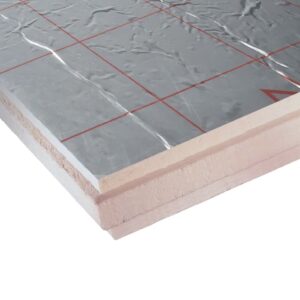
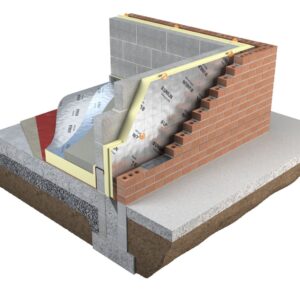
100mm Unilin Thin-R XT/CW Partial Fill Cavity Wall Insulation (T&G) is typically used in external walls of buildings with cavity wall construction.
Our specialist stores
Our specialist stores

100mm Insulation XT/CW
100mm insulation is insulation that is 100 millimetres deep, selected for its strong balance between thermal performance and construction depth. It is widely used because it reduces heat loss significantly and fits standard wall, roof, and floor build-ups.
What is insulation 100mm?
100mm insulation refers to insulation with a nominal thickness of 100 millimetres. It is commonly specified to support compliance with Approved Document Part L of the Building Regulations.
At 100mm insulation thickness, the material increases thermal resistance within the construction to lower heat transfer by conduction and contribute to improved component U-values. When correctly detailed and installed, this depth helps the building fabric meet or exceed the limiting values set out under Part L.
100mm rigid insulation boards are dimensionally stable. They ensure consistent thickness and sustained contact with adjacent elements. This reduces the risk of air gaps and thermal bypass, and localised heat loss, which can undermine calculated performance. As a result, insulation at 100mm is regularly adopted in Part L–compliant structural specifications, where it delivers predictable, repeatable performance.
What is 100mm thick insulation used for?
100mm thick insulation is used where you need solid thermal control but still have space limits. It is common in:
- Timber and metal stud walls
- Solid walls during upgrades
- Flat and pitched roofs (between joists or rafters)
- Floors where heat loss is a concern
Because insulation 100mm thick fits between standard structural depths, it is practical for both new builds and refurbishment work.
Types of 100mm insulation
Each type of 100mm Insulation works to keep heat in and cold out. Here’s a quick guide to the most readily available types:
1. PIR insulation boards
This is the “high-performance” option that punches above its weight. Slim and rigid, they keep heat in without taking up much space. PIR panels are perfect for walls and flat roofs where every millimetre of space counts.
2. Mineral wool insulation / Rockwool
The tough, fire-safe option. They are made from spun rock or glass. Rockwool insulation keeps warmth in and dampens noise. It is flexible and easy to tuck into walls, floors, and ceilings. A favourite for tricky spaces.
3. EPS insulation Boards
Light and easy to cut. Expanded polystyrene is often used in cavity walls and under floors. It delivers reliable insulation by keeping the cold out.
4. XPS insulation boards
The heavyweight water-fighter. Strong and moisture-resistant option that keeps its shape. Great for floors and basements. Extruded polystyrene boards are also ideal for flat roofs that see a bit of damp.
5. Glass wool insulation / Fibre Wool Rolls
100m soft insulation that is friendly to handle. Rolls slide neatly between joists and studs. Best choice for lofts, walls, and anywhere an easy-to-fit, dependable solution is needed.
Benefits of 100mm insulation thickness
The main benefit of 100mm insulation is consistency. It delivers reliable thermal resistance without overcomplicating the build. Key advantages include:
- Slows heat flow through walls and roofs
- Helps meet UK energy standards when used correctly
- Reduces cold spots when boards are tightly fitted
- Works well alongside vapour control layers
- Using insulation 100mm also keeps detailing simpler, which lowers the risk of mistakes on site.
Why choose our thick 100mm insulation?
Insulation Wholesale supplies 100mm insulation that meets UK manufacturing standards and is suitable for real building conditions, not just lab tests. Our team focuses on:
- Stocking trusted insulation types
- Clear product information for 100mm insulation panels
- Thicknesses that match common site requirements
- Offering support from a team that understands how 100mm insulation is actually installed
We do not oversell performance. We help you choose what works.
If your project needs a proven, practical insulation depth, 100mm thick insulation is a solid place to start. Browse our range for well-priced options and fast, dependable delivery that fits real site timelines.
At Insulation Wholesale, you can purchase 100mm Insulation at low wholesale prices with fast delivery for most of items within 2-5 days. Competitive rates guaranteed.
FAQ
Where to buy 100mm insulation?
You can buy 100mm insulation online directly from Insulation Wholesale. We stock and supply insulation in standard thicknesses used across UK construction, including 100mm insulation thickness options. Our shop makes it easy to compare products. Browse our site to check availability and get advice from a team that understands site conditions, not just specifications.
How good is 100mm insulation?
On matters insulation, 100mm thickness provides strong resistance to heat movement when installed correctly. Its performance depends on the material, but the thickness itself is enough to make a clear, measurable difference to energy efficiency in most buildings.
How to cut 100mm insulation?
Cut 100mm hard insulation using an insulation saw or hand saw. Measure and cut slightly oversize. Then press it into place. A tight fit matters more than a perfect edge.
How much is 100mm insulation?
100mm insulation boards vary quite a bit in price depending on material and performance. For basic PIR boards, prices are £25–£35 per board (for a full 2400 × 1200mm 100mm insulation board) when buying single units.
Higher-performance or specialist boards can cost more, sometimes £40 or more per m² for premium products. If you buy in bulk, prices often move down further, but expect a rough range of £25–£50+ per board before VAT.