Our specialist stores
Our specialist stores


120mm Insulation Eco-Fix
120mm insulation is a relatively deep insulation layer used when a building requires a high level of heat control, not just a small improvement. It is a thickness typically specified when energy targets matter, and where the construction allows sufficient build-up depth.
What is 120mm thick insulation?
120mm thick insulation means the material measures 120 millimetres when installed at its nominal thickness. It reduces heat transfer in two primary ways: Soft materials trap lots of still air, and rigid boards resist heat transmission through dense foam, helping retain internal heat during winter and limiting heat gain during summer.
What is 120mm insulation thickness used for?
120mm insulation thickness is used when building regulations, occupant comfort, or running energy costs require higher performance.
It is often installed in external walls, roofs, and floor constructions where heat loss would otherwise be high.
It is common in new builds, extensions, and upgraded thermal envelopes where long-term performance outweighs minimal space savings.
Types of 120mm insulation
Insulation 120mm is available in two broad forms. The choice on what to use depends on the application, performance requirements and available space:
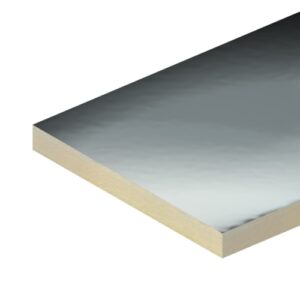
- Rigid (hard) insulation: This includes PIR Insulation, phenolic Insulation, EPS, and XPS Insulation boards. They have high thermal efficiency per millimetre, but are less tolerant of installation gaps or inaccuracies. Boards must be cut cleanly and fitted tightly for optimal performance.
- Soft insulation: Includes mineral wool Insulation and glass wool Insulation products. These insulating materials are thick, air-filled and compressible, allowing them to fill gaps well and accommodate uneven stud or joist spacing.
Both insulation types can meet UK thermal performance targets when specified as part of a suitable build-up.
Benefits of insulation 120mm
Below are the advantages of using insulation 120mm thickness:
- Much lower heat loss than mid-range depths
- Better indoor comfort across seasons
- Easier compliance with modern energy standards
- Fewer cold spots in walls, roofs, and floors
This thickness delivers a meaningful contribution to overall thermal performance.
At Insulation Wholesale, you can purchase 120mm Insulation at low wholesale prices with fast delivery for most of items within 2-5 days. Competitive rates guaranteed.
FAQ
Where to buy 120mm insulation?
We stock 120mm insulation at Insulation Wholesale, available in both soft and rigid formats. Our shop is built for trade and DIYers, with clear product data, competitive pricing, and fast delivery. Our team can help match insulation to the actual build detail, not just the thickness on paper, so you get the most suitable product for your specific build.
How to cut 120mm insulation?
- For soft insulation 120mm thick: Use a long knife or saw. Cut slightly oversize so it grips the space without gaps.
- For rigid boards: Score deeply and snap, or saw for clean edges.
Accuracy matters more at this depth because gaps significantly reduce thermal performance.