180mm Insulation
180mm insulation refers to insulation material that is 180mm thick from the warm side to the cold side. It is usually made from materials that use trapped air or closed-cell structures to restrict heat transfer.
What is 180mm thick insulation?
180mm insulation thickness is manufactured to a consistent depth of 180mm. This is a practical size that aligns with some common timber and steel joist depths used in floor, roof, and wall build-ups.
The material provides an effective thermal barrier (resisting heat flow) and offers useful acoustic dampening (reducing sound transmission).
Glass mineral wool versions have intertwined fibres that trap still air, giving good insulation and sound absorption.
Rock mineral wool is a bit denser and excellent at heat resistance and fire safety.
Both kinds at 180mm thickness are installed between structural membranes to fill the gap snugly.
What is insulation 180mm thick used for?
Insulation 180mm thick layers are most commonly used in:
Roofs
- Fits between rafters or joists in pitched and flat roof structures.
- Reduces heat loss in lofts during winter and slows heat gain in summer.
Floors
- Fills the space between floor joists, reducing heat transfer to the unheated areas below.
- Improves comfort underfoot and helps meet Building Reg requirements.
Walls
- Used in framed wall systems (timber or steel) to improve thermal and acoustic performance.
- Can be part of external wall builds where deeper insulation is needed.
Partitions
Works in internal walls or party walls for sound control and heat retention.
180mm thick insulation is particularly suitable when you need better performance – like when upgrading an existing building or meeting more stringent U-value targets.
Benefits of 180mm insulation thickness
Choosing 180mm insulation ensures:
Thermal control
180mm insulation significantly reduces heat loss compared to thinner layers. With a deeper layer to pass through, heat moves slowly. This saves energy and keeps temperatures more stable.
Sound reduction
Both glass and rock mineral wool at this depth help absorb sound, making rooms quieter by cutting down noise transfer through floors and walls.
Fire safety
Many mineral wool types are noncombustible (Euroclass A1), meaning they will not significantly contribute to fire spread – an important safety feature in building envelopes.
Moisture and breathability
These fibres allow vapour to pass through without trapping water when correctly detailed with vapour control layers. That reduces the risk of rot and condensation in many constructions.
Material differences
Glass mineral wool insulation:
- Lighter weight, easy to cut and handle.
- Great for thermal and acoustic purposes in roofs and floors.
- Often carries excellent fire resistance, too.
Rock mineral wool (e.g., Rockwool flexi slab):
- Firmer and more resilient in gaps.
- Excellent acoustic control and fire resistance.
- The Flexi edge product helps you fit it between studs without gaps, improving performance.
FAQ
Where to buy 180mm insulation?
You can buy thick 180mm insulation online from Insulation Wholesale, one of the UK’s reliable online insulation suppliers. We sell a wide range of insulation materials and stock common thicknesses like 180mm. We offer helpful product advice, competitive pricing, and an experienced technical team to guide you. If you are working on a bigger job, ask about trade discounts, pallet deals, and fast nationwide delivery – we aim to get your materials to your site on time and at a reasonable price.
Where to fit 180mm thick insulation?
You typically fit insulation 180mm thick:
- Between roof rafters or ceiling joists.
- In floor voids between joists.
- Inside framed walls (timber/steel) where deep insulation is needed.
- In internal partition walls for sound and heat control.
Soft insulation should fill the cavity without being overly compressed. Otherwise, it loses its effectiveness.
How to fix 180mm insulation?
Depends on where you are installing it:
Roof or floor joists: Install the insulation by friction-fitting between timbers.
Stud walls: Push or friction-fit slabs between studs. For rock mineral wool with a flexible edge, use the flexible side against the stud for a tight fit.
Fixings: Use insulation supports (wires or rods) in floors or combo fixings in walls. This keeps the product from dropping before the ceiling or floor lining is installed.
Cutting: Use a sharp insulation knife and a straight edge. Cut on a flat surface to prevent gaps.
Showing all 2 results
-
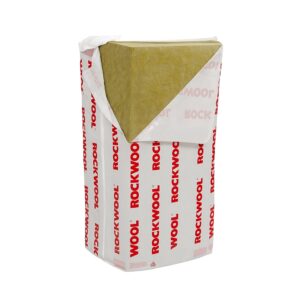

180mm Rockwool Flexi Slab Acoustic Insulation 1200mm x 600mm 25.92m2 Pallet
180mm Rockwool Flexi has been designed as a multi-use, dual-purpose acoustic and thermal mineral wool insulation with a unique flexible edge along one side. It is suitable for use all over the home, in pitched roof rafters, framed external walls, internal partitions, intermediate floors, separating walls and floors, and timber suspended ground floors.
POA Get a quote -

180mm Rockwool Rainscreen Duo Slab 1200mm x 600mm 25.92m2 Pallet
180mm Rainscreen Du Slab is dual-density insulation specifically developed for use within ventilated cladding systems, as well as sealed systems such as curtain walling. Once installed, the robust outer surface of the slabs, in combination with a factory applied water-repelling agent, acts to resist rain ingress during construction.
POA Get a quote