Our specialist stores
Our specialist stores


Insulation Slab RW4
Maintaining a cosy and energy-efficient environment in houses and buildings depends on insulation. Insulation slabs are among the most commonly used insulation products represented in different types on the market. They can be used in various applications while delivering great value to your projects. Insulation slabs help to regulate the temperature while reducing energy consumption and improving overall indoor comfort.
Read more about Insulation Slabs.
Insulation Slab Range
-
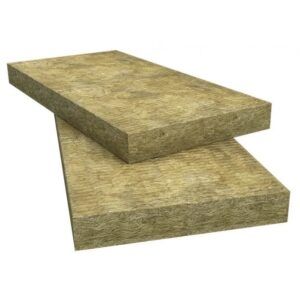
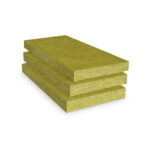
100mm Rockwool RW4 Acoustic Insulation Slab 1200mm x 600mm 34.56 m2 Pallet
100mm Rockwool RW4 Slabs can be applied to an array of general building applications for acoustic, thermal and fire protection of partition walls, ceilings, floors and roofs.
POA Get a quote -
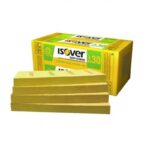
50mm Rockwool RW4 Acoustic Insulation Slab 1200mm x 600mm 69.12 m2 Pallet
50mm Rockwool RW4 Slabs can be applied to an array of general building applications for acoustic, thermal and fire protection of partition walls, ceilings, floors and roofs.
POA Get a quote -
75mm Rockwool RW4 Acoustic Insulation Slab 1200mm x 600mm 46.08m2 Pallet
75mm Rockwool RW4 Slabs can be applied to an array of general building applications for acoustic, thermal and fire protection of partition walls, ceilings, floors and roofs.
POA Get a quote
What is slab and batt insulation?
Slab insulation, or batt insulation, is thermal insulation delivered as rigid slabs or rolls. They are typically made of mineral wool, fibreglass or foam and provide excellent thermal and acoustic insulation. Insulation slabs or insulation batts are effective when placed between wall studs, floor joists, and roof rafters to serve as a barrier against heat transfer or loss. These batts are easy to install, which helps to match them correctly between studs or joists while offering continuous protection.
Types of insulation slabs
The choice of the type of insulation slabs depends on their characteristics, including thermal performance, fire resistance, acoustic insulation, environmental sustainability, as well as your project-specific requirements. At Insulation Wholesale, you can find the commonly used type of insulation slabs mentioned below:
Rockwool slab: Rockwool is a well-established brand offering insulation slabs made from molten rock materials that are spun into fibres and then formed into rigid panels or slabs. They can sustain high temperatures, are water-resistant, non-combustible, and commonly used in cavity walls, pitched roofs, and floors.
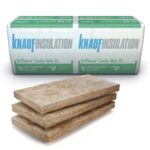
Knauf Slab: Manufactured from glass mineral wool, Knauf insulation products are another popular type of insulation slab. They also offer optimal safety while being non-combustible and able to withstand high temperatures. Knauf slabs are lightweight and can be simply installed in various environments to provide efficiency against heat transfer and sound transmission.
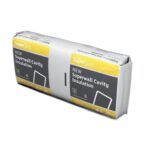
Superglass Slab: Superglass is another famous insulation material brand. While being a versatile and affordable customer’s choice, Superglass slabs offer outstanding sound and thermal insulation capabilities. They also resist moisture, mould, and pests, ensuring a long lifespan. These slabs are simple to handle and cut, making them quickly and effectively installed. They are widely utilised in floors, walls, and roofs because of their outstanding acoustic and thermal insulation qualities.
Ursa Slab: Ursa is a leading insulation product provider, a well-known company offering excellent slabs. Ursa slabs are environmentally friendly and produced from natural and recyclable materials, offering excellent heat retention and enhanced comfort. They also have outstanding sound absorption capabilities and are easy to install as they match ideally between studs or joists.
Where can insulation slabs be used?
Insulation slabs can be utilised in various applications and are commonly implemented in projects requiring a rigid, long-lasting material. Here are some typical uses of insulation slabs:
Floors: Insulation slabs are used in flooring to offer thermal and acoustic insulation. They contribute to the improved space’s comfort level by lowering noise transmission between floors and preventing heat loss through the floor.
Walls: When installed between studs in walls, insulation slabs offer a continuous layer of thermal protection. This can help to control condensation, minimise heat loss and optimise energy consumption.
Roofs: Insulation slabs are utilised in roofs between rafters or joists to provide thermal insulation and prevent outdoor heat transmission. By doing this, you can preserve a cosy home climate and reduce the necessity for overheating or cooling.
Conclusion
Insulation slabs, called batt insulation, are rigid rolls or panels made from foam, mineral wool, or fibreglass. They are used in many applications, including floors, walls, and roofs of buildings, to deliver thermal and acoustic insulation.
For the most outstanding efficiency, proper installation and professional advice in selecting the correct type of insulation batts are necessary.
You can obtain the best possible assistance in choosing your insulation slabs with our experienced staff. Please, feel free to call our team of specialists at 0203 318 7316; we are more than happy to help you implement your project.
At Insulation Wholesale, you can purchase Insulation Slab at low wholesale prices with fast delivery for most of items within 2-5 days. Competitive rates guaranteed.
FAQ
When is slab insulation required?
Mineral wool slab insulation is installed to:
- Improve warmth in rooms above an unheated void or basement.
- Cut draughts rising through gaps in older floors.
- Reduce sound transfer between storeys.
- Boost heat retention in suspended timber floors.
- Comply with regulatory standards for insulation.
Mineral wool is chosen here because it fills the cavity well, handles moisture safely, and adds acoustic improvement. Rigid boards cannot match these qualities in a timber floor setup.
How thick should slab insulation be?
Wool slab insulation is primarily used with suspended timber floors, not under concrete slabs. Thickness should be between 50mm and 150mm. It all depends on the thermal target and the depth of the joists. Upgrades and new builds working to achieve greater heat retention usually need 100–150mm.
How to cut slab insulation?
Insulation knives are ideal, but a fine-tooth handsaw or serrated bread knife is fine to use.
- Place the insulation on a flat surface. This ensures a neat and even cut.
- Mark the cutting line.
- Cut through the slab, keeping the edge straight.
Remember to wear a long-sleeved garment, gloves, and a mask to shield the skin from loose fibres.
How to install slab insulation?
To install mineral wool slabs:
- Take note of the distance from stud to stud or joist to joist.
- Carefully cut the insulation so it is slightly wider than this distance by 10–15mm. This allows the slab to grip the sides firmly.
- Insert the wool slab gently into position so it friction-fits without any fixings.
- Cut and use smaller bits of the insulation to fill all gaps. Focus on the areas around pipes and corners. This will limit heat loss or sound leaks.
- Cover with flooring or plasterboard.
Some applications may have extra steps or special requirements. So check the user manual to confirm what the process needs.
What is slab insulation?
Slab insulation is a name commonly used when referring to mineral wool insulants. These are semi-rigid sheets made from either rock wool or glass wool. What stands out about slab insulation is that it holds its shape pretty well and fits neatly between studs or joists.
It is also breathable, fire-safe, and moisture-resistant, providing acoustic and fire protection in addition to general thermal insulation.
Where and how can insulation slabs be used?
Mineral wool slabs are used in a wide range of building projects because they are firm enough to hold their shape and flexible enough to fill awkward spaces.
Here’s how they are used in the most common applications:
-
Stud Walls
Mineral wool slabs are a natural fit for stud partitions. Their semi-rigid structure lets them grip the sides of the studs, so they stay put without fixings.
When installed in a compact, gap-free manner, they reduce noise between rooms and help retain warmth in the building.
Because they are noncombustible, they also add an extra layer of fire protection inside the wall build-up.
-
Suspended Flooring
In suspended timber floors, mineral wool slabs sit between the joists. They push slightly against the sides to create a tight fit, stopping draughts that may rise from the void below. This helps rooms feel warmer and reduces sound movement between levels. The material also handles moisture safely – an important detail in older floors that need to breathe.
-
Masonry Cavity Walls
Mineral wool is used in cavity walls, but not the everyday slabs used for partitions. Instead, builders choose cavity-specific mineral wool boards designed to:
- resist water tracking across the fibres
- keep their shape over time
- fit neatly in brick-and-block cavities
These boards slide into the cavity as the wall is built, creating a continuous layer of insulation from course to course.
-
Rainscreen Facades
Rainscreen systems use façade-grade mineral wool boards. These are firmer and denser than typical slabs and stay stable behind cladding while allowing moisture to escape through the ventilated cavity. Their noncombustible rating also supports fire-safe façade design. Installers fix these boards directly to the substrate before the ventilated cladding goes on.
-
Soffits
For soffits – like car park ceilings and exposed concrete decks – builders use high-density mineral wool boards made for overhead work. These boards often come with a protective facing so they can be left visible. They are fixed directly to the concrete slab, giving the exposed underside a neat finish while improving the thermal performance of the floor above.