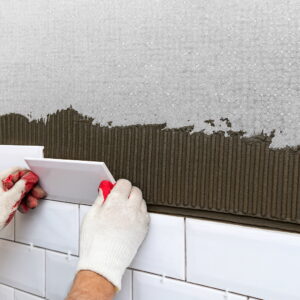
If you have ever tiled a bathroom or kitchen, you will know the tiles are only as durable as the surface underneath them. That is where a tile backer board comes in.
What is tile board?
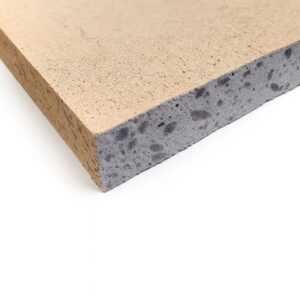
A tile backer board is the foundation on which tiles sit. The board is fixed to the wall or floor, providing a layer of protection for surfaces that degrade when exposed to splashes or humidity. Once installed, it remains stable and resistant to moisture.
What is tile backer board used for?
Backer boards are used to:
Reinforce shower walls
Line wet rooms
Level uneven floors
Prepare surfaces for tiling
Types of tile backer boards
The main types of tiling backer boards available are:
Cement-based backer boards
A classic choice for wet rooms and high-traffic floors. This category covers what people often call “cement boards” or “fibre-cement boards.” They are composed of cement plus fibre reinforcement, usually in the form of glass or cellulose fibres.
The best known examples are:
Euroform easyboard – Consists of Portland cement with a reinforced fibre matrix. This makes it strong but noticeably lighter than old-style cement sheets. Ideal for bathrooms and refurbishment projects where handling weight matters.
HardieBacker – A tile board made from Portland cement, sand, and cellulose fibres. Its uniform composition, moisture resistance, strength, and tile-adhesion make it suitable for wet areas like kitchens and bathrooms.
Note:Insulation Wholesale does not currently stock HardieBacker boards. However, we can source them upon request.
Insulated backer boards
These boards have a rigid foam core – usually XPS or similar – with waterproof skins on both faces. They combine tile backing with insulation in a single sheet.
They are often used to line shower walls, prep niches, or build features like benches.
They are not suitable for heavy-load or large-scale commercial applications. They are better suited to domestic bathrooms and wet rooms, and light commercial tiling jobs where weight and insulation are considerations.
Benefits of tile boarding
Installing a backer board before tilework offers these benefits:
Protects tiles from steam or splashes – may still need to lay a waterproof membrane in areas of direct water exposure.
Minimises sagging or cracking in tiles.
Prolongs tile durability when installed correctly.
Insulated foam backer boards can offer thermal benefits.
Easy to fit.
Suitable for walls, floors, shower surrounds, niches, and benches.
Why choose our tile backer board?
Here’s why trades and builders trust tile boards from Insulation Wholesale:
Trusted Supplier – A reliable supplier with a proven track record in construction and tiling products.
Wide Product Info – Clear specifications, usage guidance, and helpful tips.
Competitive Prices – Affordable, transparent pricing without compromising quality.
Convenient Ordering – Easy to browse, select, and buy from any location.
Fast UK Delivery – Get your tile backer boards quickly, so your project does not stall.
Order Euroform Easyboard today for a solid, moisture-resistant base. Enjoy simplified ordering, expert support, and fast UK delivery.
At Insulation Wholesale, you can purchase Tile Backer Board at low wholesale prices with fast delivery for most of items within 2-5 days. Competitive rates guaranteed.
FAQ
Where to buy tile backer board?
You can buy tile backer boards directly from Insulation Wholesale. We stock the Euroform Easyboard tile backer board 12.5mm for wet areas like bathrooms, showers, and kitchens. Order online for fast UK delivery, competitive pricing, and the option to get a quick quote.
How to lay tile backer board?
Measure and cut the boards to fit your wall or floor. Attach securely to the studs or joists, ensuring boards are closely positioned. Leave small gaps at the edges for expansion.
How to attach tile backer board?
Correctly position the board.
Secure using appropriate tile backer screws or nails.
Make each board steady underfoot or against the wall.
Tape joints to seal them and help resist water penetration.
Your surface is now ready for tiling.
Can you plaster tile backer board?
Some tile boards can receive plaster; check manufacturer guidance.
Lightly sand or prime the surface so the plaster adheres properly.
Use bonding plaster or a thin sand/cement render – standard gypsum plaster may not bond well.
Apply a joint tape over seams.
Reinforce corners to prevent cracking.
Many installers still prefer tile adhesive directly for tiling rather than plaster.
What are the thicknesses of tile backer board?
There is no universal building-standard rule for backer board thickness. Fibre-cement boards like Euroform Easyboard are supplied at a standard 12.5 mm.
Thickness should match the floor/wall construction, substrate rigidity, tile type, and expected load.
Floors, especially timber subfloors, typically need 12–15 mm thickness to reduce flex and prevent cracks.
Walls or rigid substrates (e.g., concrete) can use thinner boards, typically 6.10mm.
Heavy tiles or high-traffic areas require thicker boards and proper fixing to ensure stability.
12.5mm EasyBoard Tile Backer Board provides a moisture-resistant surface perfect for tiling in areas like bathrooms and kitchens. Its lightweight design makes installation simple, while its robust properties ensure a long-lasting, secure foundation for tiles.
£681.07£817.28Ex VATInc VAT£709.45£851.34Per M2Add to cart