


Vapour Control Layer
The vapour control layer (VCL) is often necessary in well-insulated buildings. It restricts moisture penetration through walls, floors, and roofs, helping prevent vapour from condensing within the building fabric.
In line with the UK Building Regulations Part L and Part C requirements for moisture control, VCLs are now essential for preserving structural health and energy performance, especially in airtight modern structures.
What is the vapour control layer?
This is a protective membrane made from reinforced polyethylene film, aluminium foil, or bituminous substrates. High-spec solutions, like the Tyvek vapour control layer or self-adhesive vapour control layers, also feature built-in adhesive backing for easy and durable application. A VCL also preserves insulation performance and indoor comfort over time when correctly fitted.
Applications of vapour control layer
Vapour control membranes are used in domestic, commercial, and industrial settings. According to UK Building Regulations, vapour control layers are used in:
- Flat roofs and warm roofs.
- Timber and steel frame walls.
- Ceilings and loft conversions.
- Underlays for fire resistant insulation boards.
- Behind plasterboard and internal wall linings.
- Basements and ground floors with high humidity.
- Air-tight building systems.
Types of vapour control layer
We supply a complete range of vapour barriers that suit every build type:
- Standard Vapour Control Layer: Durable plastic membranes offer reliable everyday moisture resistance.
- Tyvek Vapour Control Layer: This premium-grade, breathable yet moisture-blocking film from a trusted manufacturer is ideal for roof and wall systems.
- Self-Adhesive Vapour Control Layer: Quick and clean to apply, providing instant adhesion to most substrates.
- Vapour Control Layer Tape: For sealing joints, penetrations, and overlaps to maintain vapour integrity.
- Foil-Backed Vapour Control Layer: Combines vapour resistance and reflective thermal protection for energy-efficient builds.
Each option is designed for specific build conditions, so confirm suitability for your project before purchase.
Benefits of vapour control layer
Engineered for high performance and compliance, these vapour barriers deliver reliable protection across all construction types. Here’s why a VCL is fundamental in modern insulation systems:
- Prevents condensation.
- Protects construction and insulating materials from moisture damage.
- Boosts the performance of fire resistant insulation and fire retardant insulation systems.
- Improves overall airtightness.
- Compatible with multiple insulation materials.
- Easy to apply and seal using VCL tape.
- Helps regulate indoor temperatures by preventing heat loss through moisture-compromised insulation.
Why choose our vapour control layer?
Here’s what makes Insulation Wholesale the trusted choice for vapour control layers in the UK:
- Wide selection including Tyvek, foil-backed, and self-adhesive options.
- Designed for use with fire resistant insulation boards and other insulation systems.
- Tested to meet Class B-s1, d0 fire rating for enhanced safety.
- Available in thicknesses ranging from 0.2mm to 1.2mm, with R-values up to 0.6 m²K/W (depending on product type and installation system).
- Suitable for both commercial and residential use.
- Backed by expert support and trade-friendly pricing.
- Fast delivery across the UK.
Choose certified vapour control layers that meet UK Building Regulations and integrate seamlessly with fire-resistant insulation systems.
FAQ
What is a vapour control layer made of?
Most are made from polyethylene film, aluminium foil, or bitumen-based materials. Some premium options include reinforced mesh for extra strength or a self-adhesive backing for quicker installation.
How to install a vapour control layer?
The vapour control layer installation is done on the warm side, which faces the interior of the building.
- Step 1: Start by laying the membrane above the structural deck or internal wall face. If working on a vapour control layer flat roof, fit the membrane directly on top of the deck and under the insulant.
- Step 2: Seal all seams and penetrations using VCL tape to maintain airtightness.
- Step 3: Apply the final waterproofing membrane.
Follow the installation guidance for total fire and moisture compliance.
Where to use the vapour control layer?
Add a VCL wherever moisture is likely to leak into the insulation. This includes roofs, ceilings, floors, and external wall systems. It is especially required in flat roofs, loft conversions, and humid environments like kitchens or bathrooms.
When is a vapour control layer needed?
A VCL is essential whenever warm, moist air might meet cold surfaces and cause condensation. In UK construction, it’s typically required in airtight buildings, flat roof systems, and anywhere fire resistant insulation boards or fire retardant insulation materials are used.
A professional U-value or condensation risk analysis can confirm whether a VCL is required.
Showing all 3 results
-
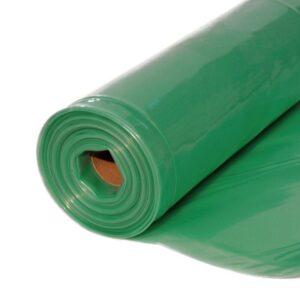
Polythene Vapour Control Layer 1200g 4m x 25m Green
300mu (1200 gauge) VCL 4m x 25m is a medium specification, blown polythene material, suitable for use as a vapour control layer within the walls of timber frame constructions, or where the control of the passage of water vapour is required. VCLs are designed for use on the inside of insulated buildings to manage the flow of water vapour, which is a natural by-product of normal building use.
POA Get a quote -
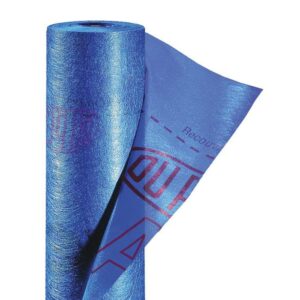
Tyvek Airguard Control Layer DuPont 50m x 1.5m Roll
DuPont Tyvek Airguard Control Layer Roll is a high performance vapour control layer. The product is utilised to protect buildings against air leaks and moisture damage as well as diminish any temperature loss. This makes it ideal for various applications, especially for roofs, walls, and floors.
£144.52£173.42 Ex VATInc VAT£1.93£2.32 Per m2 Get restock alert -
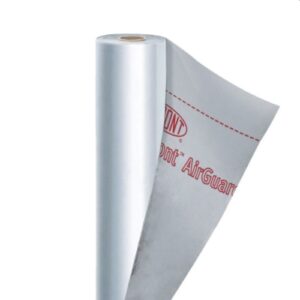
Tyvek Airguard Reflective Vapour Control Layer DuPont 50m x 1.5m Roll
DuPont Tyvek Airguard Reflective Vapour Control Layer is a high-performance building material that effectively manages moisture and enhances thermal performance in buildings. Tyvek Airguard Reflective Vapour Control Layer has great vapour and water resistance, ensuring it performs exceptionally well in weather conditions. Its innovative design and exceptional performance make it an excellent choice for architects, builders, and homeowners looking to improve their buildings’ energy efficiency and durability.
£129.99£155.99 Ex VATInc VAT£1.73£2.08 Per m2 Get restock alert