Products in 150mm Insulation Board
-
150mm Celotex XR4150 PIR Insulation Board 2400mm x 1200mm (8′ x 4′) 2.88m2
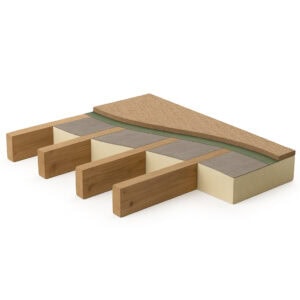
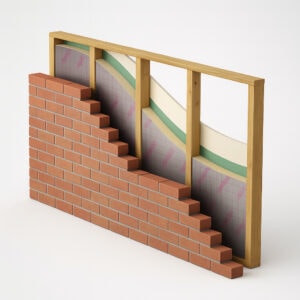
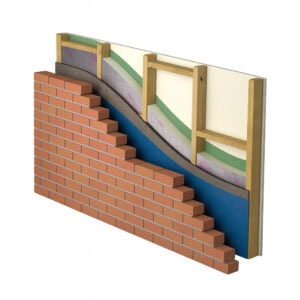
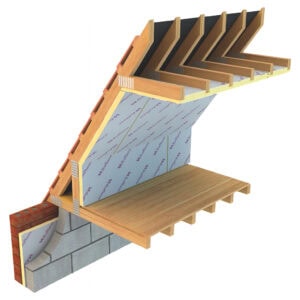
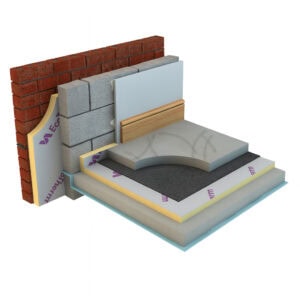
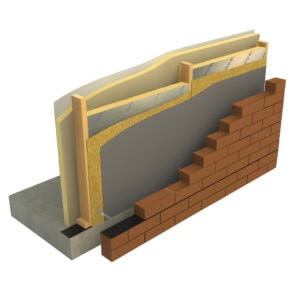
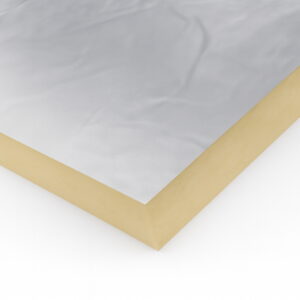
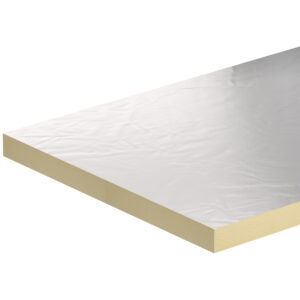
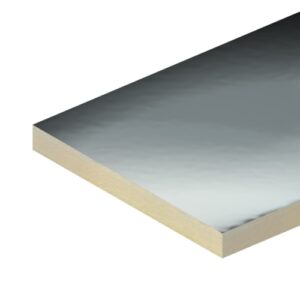
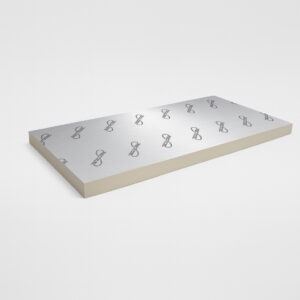
150mm Celotex XR4150 is a polyisocyanurate (PIR) insulation core with composite aluminium foil facings on both sides. Celotex is a multi-purpose insulation board suitable for use in pitched roofs, ceilings, floors and walls.
£55.56£66.67 Ex VATInc VAT£19.29£23.15 Per M2 Add to cart -


150mm Ecotherm Eco-Versal Rigid PIR Insulation Board 2400mm x 1200mm (8′ x 4′) 2.88m2
The 150mm Ecotherm Eco-Versal is a polyisocyanurate (PIR) insulation core with composite aluminium foil facings on both sides. Ecotherm Eco-Versal is a multi-purpose insulation board suitable for use in pitched roofs, ceilings, floors and walls.
£60.22£72.26 Ex VATInc VAT£20.91£25.09 Per M2 Add to cart -

150mm Expanded Polystyrene EPS100 Insulation Board 2400mm x 1200mm (8′ x 4′) Pack of 12 (34.56m2)
150mm EPS100, often known as Expanded Polystyrene, is a lightweight foam product produced from tiny polystyrene beads. Due to its high thermal value and simplicity of usage, it is commonly used as one of the most favoured insulation materials in construction.
£494.27£593.12 Ex VATInc VAT£14.30£17.16 Per M2 Add to cart -
150mm Expanded Polystyrene EPS150 Floor Insulation Board 2400mm x 1200mm (8′ x 4′) Pack of 4 (11.52m2)
150mm EPS150, often known as Expanded Polystyrene, is a lightweight foam product produced from tiny polystyrene beads. Due to its high thermal value and simplicity of usage, it is commonly used as one of the most favoured insulation materials in construction.
£200.01£240.01 Ex VATInc VAT£17.36£20.83 Per M2 Add to cart -
150mm Expanded Polystyrene EPS200 Floor Insulation Board 2400mm x 1200mm (8′ x 4′) Pack of 4 (11.52m2)
150mm EPS200, often known as Expanded Polystyrene, is a lightweight foam product produced from tiny polystyrene beads. Due to its high thermal value and simplicity of usage, it is commonly used as one of the most favoured insulation materials in construction.
£340.37£408.44 Ex VATInc VAT£29.55£35.46 Per M2 Add to cart -
150mm Expanded Polystyrene EPS250 Floor Insulation Board 2400mm x 1200mm (8′ x 4′) Pack of 4 (11.52m2)
150mm EPS250, often known as Expanded Polystyrene, is a lightweight foam product produced from tiny polystyrene beads. Due to its high thermal value and simplicity of usage, it is commonly used as one of the most favoured insulation materials in construction.
£374.89£449.87 Ex VATInc VAT£32.54£39.05 Per M2 Add to cart -
150mm Kingspan GreenGuard GG300 R Rigid Extruded Polystyrene Insulation Board 1250mm x 600mm Pack of 2 (1.50m2)
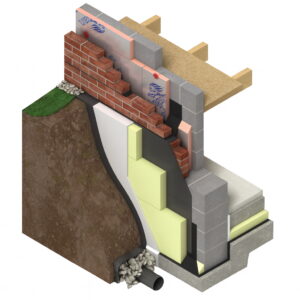
150mm Kingspan GreenGuard GG300 is a high performance rigid extruded polystyrene insulation. It is used to insulate inverted roofs, basements, car park decks, and heavy-duty commercial, industrial and cold store flooring offering a thermal conductivities as low as 0.034 W/m·K.
Non-refundable.
£49.03£58.84 Ex VATInc VAT£32.69£39.23 Per M2 Add to cart -
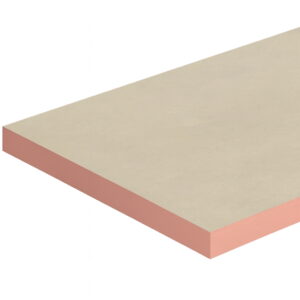
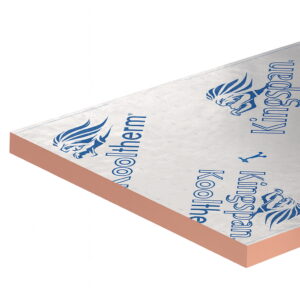
150mm Kingspan Kooltherm K103 Insulation Floorboard 2400mm x 1200mm Pack of 2 (5.76m2)
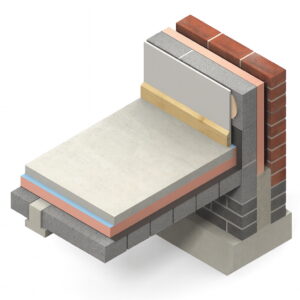
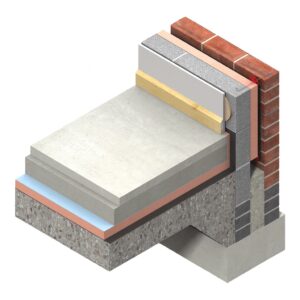
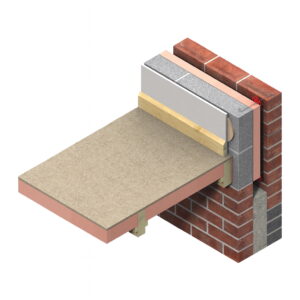
150mm Kooltherm K103 is a premium phenolic core floor insulation solution, designed to deliver exceptional performance with solid concrete or suspended timber floors.
£313.47£376.16 Ex VATInc VAT£54.42£65.30 Per M2 Add to cart -
150mm Kingspan Thermaroof TR26 PIR Insulation Board 2400mm x 1200mm (8′ x 4′) Pack of 2 (5.76m2)
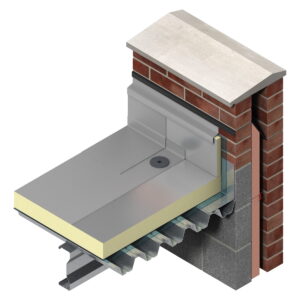
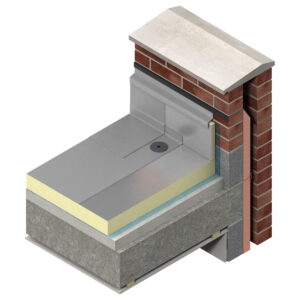
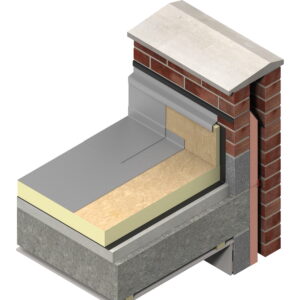
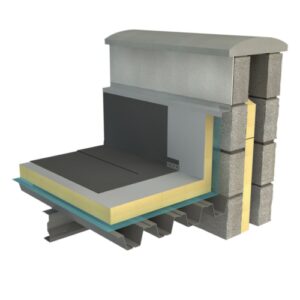
150mm Kingspan TR26 Thermaroof is high-performance insulation that has a fiber-free rigid thermoset polyisocyanurate (PIR) core. Suitable for flat roof application waterproofed with mechanically fixed single-ply waterproofing.
£255.76£306.91 Ex VATInc VAT£44.40£53.28 Per M2 Add to cart -
150mm Kingspan Thermaroof TR27 PIR Insulation Board 1200mm x 1200mm Pack of 2 (2.88m2)
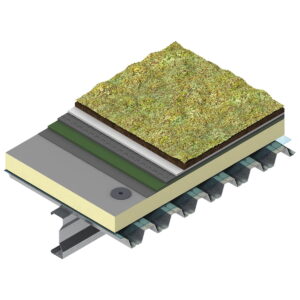
150mm Kingspan Thermaroof TR27 is a high performance insulation with a fibre-free rigid thermoset polyisocyanurate (PIR) core. It is used to insulate flat roofs waterproofed with fully adhered single-ply, partially bonded built-up felt, mastic asphalt and cold liquid applied waterproofing.
£132.69£159.23 Ex VATInc VAT£46.07£55.28 Per M2 Add to cart -
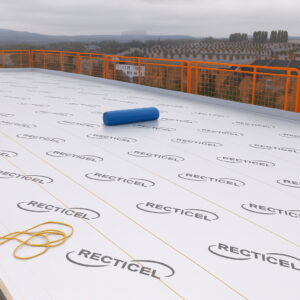
150mm Recticel Eurothane GP PIR Insulation Board 2400mm x 1200mm (8′ x 4′) 2.88m2
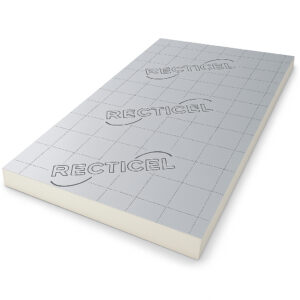
150mm Recticel Eurothane GP is a polyisocyanurate (PIR) insulation core with composite aluminium foil facings on both sides. Recticel is a multi-purpose insulation board suitable for use in pitched roofs, ceilings, floors and walls.
£53.56£64.27 Ex VATInc VAT£18.60£22.32 Per M2 Add to cart -
150mm Ecotherm Eco-Bond PIR Insulation Board 1200mm x 1200mm (4′ x 4′) Pack of 2 (2.88m2)
150mm Eco-Bond PIR insulation boards provide a lightweight, easy-to-install solution for new roofs or upgrading existing ones. Ideal for use with fully adhered single-ply waterproofing on concrete, metal, and timber decks.
POA Get a quote -
150mm Expanded Polystyrene EPS70 Insulation Board 2400mm x 1200mm (8′ x 4′) 2.88m2 (Pack of 4)
150mm EPS70, often known as Expanded Polystyrene, is a lightweight foam product produced from tiny polystyrene beads. Due to its high thermal value and simplicity of usage, it is commonly used as one of the most favoured insulation materials in construction.
POA Get a quote -
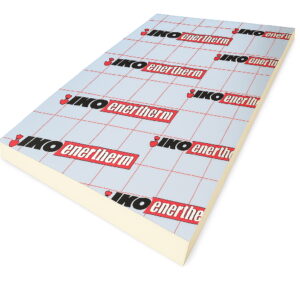
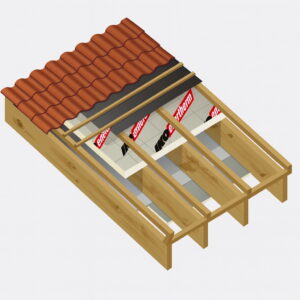
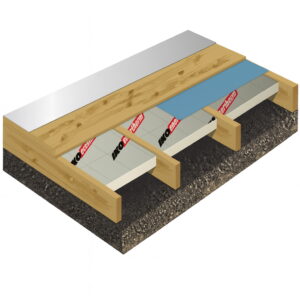
150mm IKO Enertherm ALU PIR Insulation Board 2400mm x 1200mm (8′ x 4′) 2.88m2
150mm IKO Enertherm ALU PIR (polyisocyanurate) insulation is a top-quality insulation board featuring a rigid PIR foam core and reflective aluminium foil facings. It delivers outstanding thermal performance and moisture resistance, making it suitable for various installations and an ideal choice for different energy-efficient projects.
POA Get a quote -
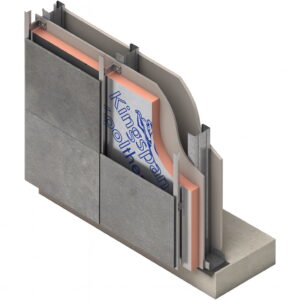
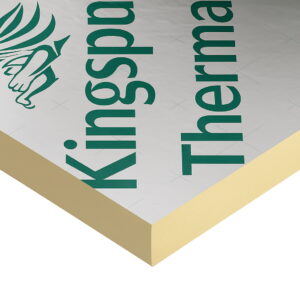
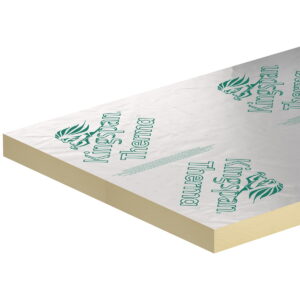
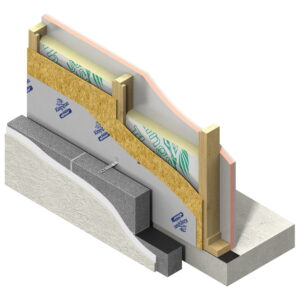
150mm Kingspan Therma TP10 / TF70 / TW55 PIR Insulation Board 2400mm x 1200mm (8′ x 4′) Pack of 2 (5.76m2)
All three models 150mm Kingspan Therma PIR Insulation Board:
- 150mm Thermapitch TP10
- 150mm Thermafloor TF70
- 150mm Thermawall TW55
share the same high-performance PIR core and low-emissivity foil facings, offering excellent thermal efficiency and easy installation. Although labeled differently, these boards share identical technical specifications.
£173.54£208.25 Ex VATInc VAT£30.13£36.16 Per M2 Add to cart -
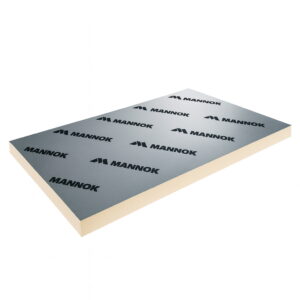
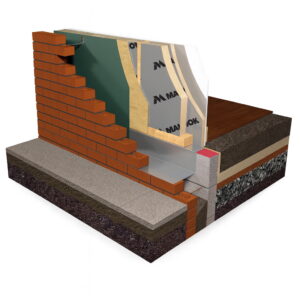
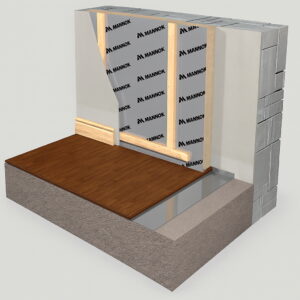
150mm Mannok PIR Insulation Board 2400mm x 1200mm (8′ x 4′)
150mm Mannok PIR Insulation Board is an excellent choice for anyone looking for a high-performance insulation solution that provides superior thermal efficiency. It is ideal for use in any construction project, such as commercial and residential, in wall applications as well as roofing and flooring applications.
POA Get a quote -
150mm Recticel Eurothane Eurodeck Insulation Board 2400mm x 1200mm Pack of 3 (8.64m2)
150mm Eurothane® Eurodeck is compatible with mechanically fixed single-ply systems, benefiting from high compressive strength and excellent dimensional stability that ensures the flat surface finish required for optimum performance in new build and refurbishment projects. It is faced on both sides with a multi-layer coated aluminum foil.
£257.19£308.63 Ex VATInc VAT£29.77£35.72 Per M2 Add to cart -
150mm Recticel Powerdeck F Flat Roof Insulation Board 1200mm x 600mm Pack of 4 (2.88m2)
150mm Powerdeck® F is compatible with multiple waterproofing systems, benefiting from high compressive strength and excellent dimensional stability.
Both sides of Powerdeck® F are faced with a mineral coated glass fleece.£94.91£113.89 Ex VATInc VAT£32.95£39.54 Per M2 Add to cart -
150mm Recticel Powerdeck U Flat Roof Insulation Board 1200mm x 600mm Pack of 4 (2.88m2)
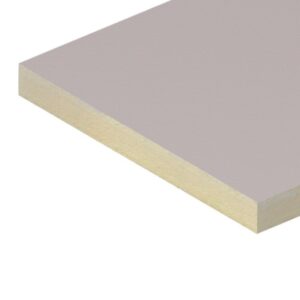
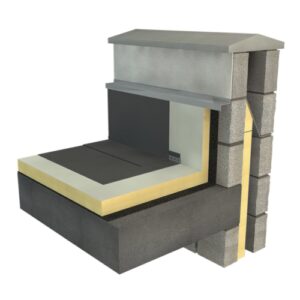
150mm Powerdeck U flat roof insulation board is a high performance rigid PIR insulation board for use in warm flat roofs with bituminous torch-on felt waterproofing systems. Both sides of Powerdeck U are faced with a bituminous coated glass fleece.
£101.99£122.39 Ex VATInc VAT£35.41£42.49 Per M2 Add to cart -
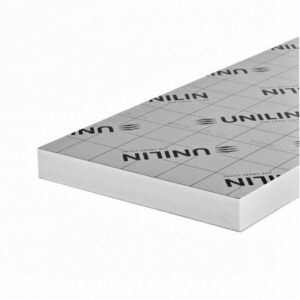
150mm Unilin Thin-R PIR Insulation Board 2400mm x 1200mm (8′ x 4′) Pallet of 16 (46.08m2)
150mm Unilin Thin-R PIR insulation is a foil faced, high-performance insulation solution that offers exceptional thermal efficiency and durability. This polyisocyanurate insulation board, formerly known as Xtratherm, is ideal for a range of applications, such as floors, pitched roofs, and walls.
POA Get a quote