110mm Insulation
110mm insulation is used in wall, roof, or floor build-ups to provide good thermal resistance. This thickness is a practical choice for modern builds because it offers strong insulation while still fitting into many common construction cavities or layered build-ups.
What is 110mm thick insulation?
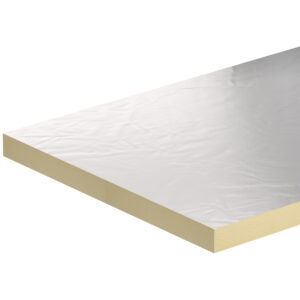
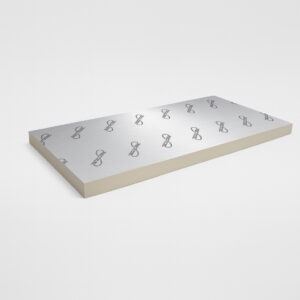
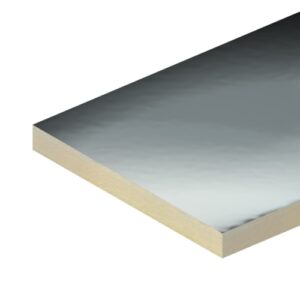
110mm thick insulation is simply insulation that measures nominally 110 mm from face to face. In practice, it is most commonly supplied as rigid panels with high‑performance foam cores.
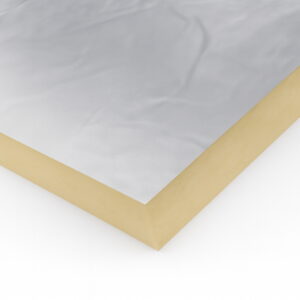
The boards are typically faced with foil or other facings that help with vapour control when correctly detailed as part of the wall/roof build-up.
What is 110mm insulation thickness used for?
110mm insulation is thick enough to meet or help meet Part L Building Regulation targets in walls and roofs, but not so bulky that you lose significant internal space.
Here’s where it is used:
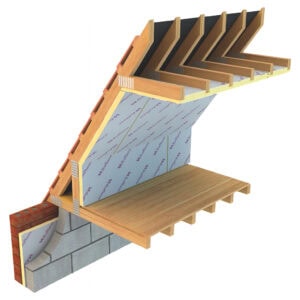
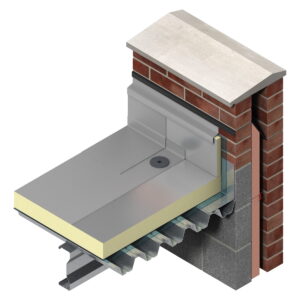
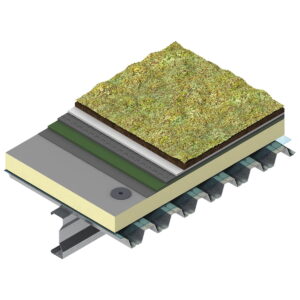
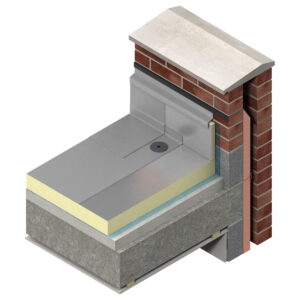
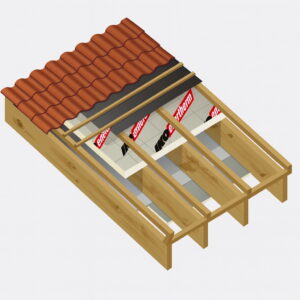
- Roof insulation – Used on pitched and flat roofing systems. Between rafters or above ceilings to keep heat from escaping through the top of a house.
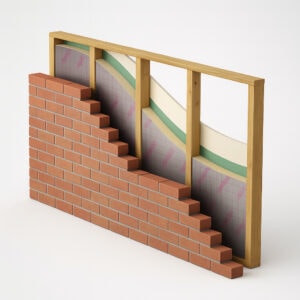
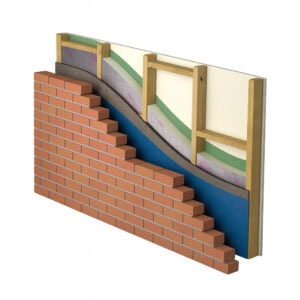
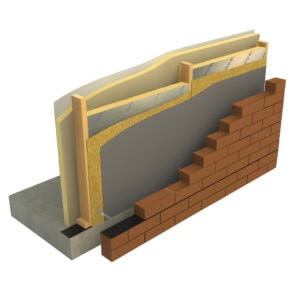
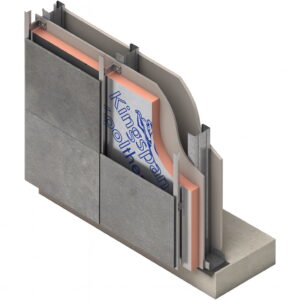
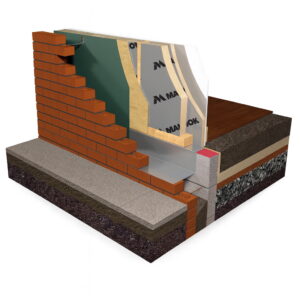
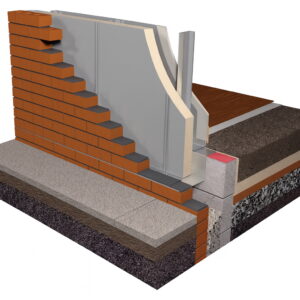
- Wall insulation – To provide a continuous insulating layer in timber frames or solid walls.
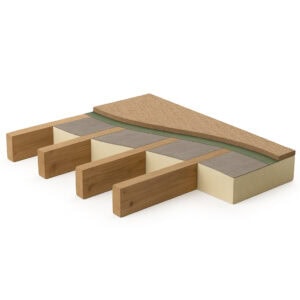
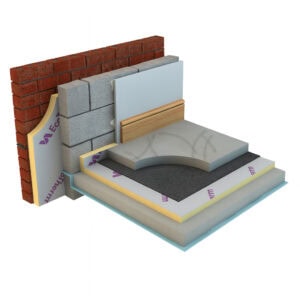
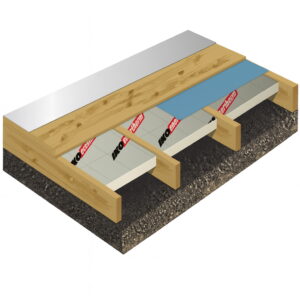
- Floor insulation – Under a ground floor or beams to minimise heat loss into the ground or unheated spaces.
110mm boards can be cut and handled on site using standard tools.
All types of 110mm insulation
The most common 110mm insulation materials in the UK construction industry are PIR and phenolic foam. Foil-faced PIR and phenolic boards are usually installed on the warm side to aid vapour control where required by design.
The λ-value for PIR boards at this thickness is typically around 0.022 W/m·K, while phenolic foam can be slightly better (~0.020 W/m·K).
PIR insulation boards
These rigid foam boards are widely used on many jobs. They have a closed‑cell structure that traps tiny pockets of gas, making them excellent at restricting heat flow.
Made from polyisocyanurate foam with a foil or similar facing, PIR boards offer exceptional thermal performance (approximately λ = 0.022 W/m·K for a board of this thickness). They also have good compressive strength and are therefore suitable for typical floor and roof loads when properly supported.
PIR boards are widely stocked and used for floors, roofs, and walls.
Phenolic insulation boards
These are another type of rigid foam in which the core is made of phenolic resin. What sets them apart is their high insulation value per thickness, thanks to a fine closed‑cell structure.
Phenolic foam typically provides better insulation per millimetre than PIR, so a thick 110mm insulation board can deliver strong thermal resistance while staying relatively slim.
They are particularly useful when you want to push to very low heat loss (low U‑values) in a space where you cannot afford extra bulk.
Phenolic boards are also lightweight and resist moisture ingress, but must still be protected.
Other materials
You may also find other rigid foams like XPS insulation (extruded polystyrene) cut to around 110mm for specialist uses (e.g., high moisture or load conditions), but this is less common in general insulation boards for walls or roofs.
Fibrous insulation, such as rock wool or glass wool, is usually supplied in slightly variable thicknesses.
FAQ
Where to buy 110 mm thick insulation?
You can buy 110mm thick insulation online from Insulation Wholesale. We stock a wide range of boards in this thickness, including both PIR and phenolic foam options suitable for roofs, floors, and walls. We offer nationwide delivery and make it easy to order the quantity you need. Our store also supplies related fixings and insulation accessories.
How good is 110mm insulation?
110 mm insulation boards deliver strong thermal resistance for their size. You can meet tight Building Regulation U‑value targets with this thickness without excessive build-up depth. They offer an efficient way to reduce heat transfer in structures compared with traditional materials of similar thickness.
Can you cut 110mm insulation?
Yes, you can cut thick 110mm insulation boards using standard tools, but phenolic requires care. Use a sharp insulation knife, fine‑toothed handsaw, or a power saw with an appropriate blade to trim them. When cutting:
- Score and snap thinner sections incrementally for a clean edge.
- Shape the insulation to fit between studs or joists.
Cutting generates fine particles; wear a dust mask and eye protection.
How to fix 110mm insulation?
To fix 110mm thickness insulation boards:
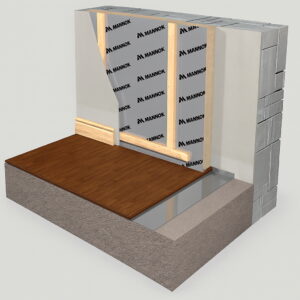
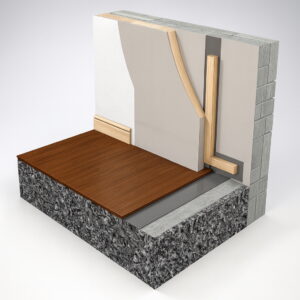
- Internal stud walls: Push the insulation firmly between studs. Anchor them with mechanical fixings or adhesive as specified.
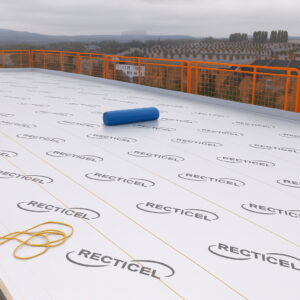
- Roofs: Install the insulation between rafters or joists and secure with fixings or adhesive. In warm roofs, lay the boards above the structure, then fix them mechanically.
- Floors: Lay the boards over a damp-proof membrane. Then follow with screeding or boarding.
Follow UK Building Regulations and manufacturer guidance on fixing methods and vapour control layers.
Showing all 11 results
-
110mm Celotex XR4110 PIR Insulation Board 2400mm x 1200mm (8′ x 4′) 2.88m2
110mm Celotex XR4110 is a polyisocyanurate (PIR) insulation core with composite aluminium foil facings on both sides. Celotex is a multi-purpose insulation board suitable for use in pitched roofs, ceilings, floors and walls.
£38.76£46.51 Ex VATInc VAT£13.46£16.15 Per M2 Add to cart -

110mm Ecotherm Eco-Versal Rigid PIR Insulation Board 2400mm x 1200mm (8′ x 4′) 2.88m2
110mm Ecotherm Eco-Versal is a polyisocyanurate (PIR) insulation core with composite aluminium foil facings on both sides. Ecotherm Eco-Versal is a multi-purpose insulation board suitable for use in pitched roofs, ceilings, floors and walls.
£38.42£46.10 Ex VATInc VAT£13.34£16.01 Per M2 Add to cart -
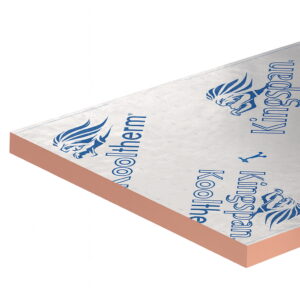
110mm Kingspan Thermaroof TR26 PIR Insulation Board 2400mm x 1200mm (8′ x 4′) Pack of 3 (8.64m2)
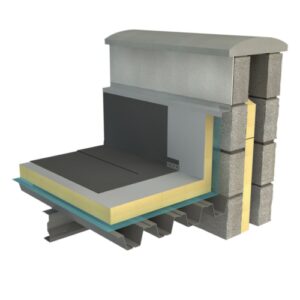
110mm Kingspan TR26 Thermaroof is high-performance insulation that has a fiber-free rigid thermoset polyisocyanurate (PIR) core. Suitable for flat roof application waterproofed with mechanically fixed single-ply waterproofing.
£239.18£287.02 Ex VATInc VAT£27.68£33.22 Per M2 Add to cart -
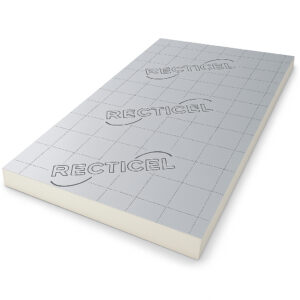
110mm Recticel Eurothane Eurodeck Insulation Board 2400mm x 1200mm Pack of 3 (8.64m2)
110mm Eurothane® Eurodeck is compatible with mechanically fixed single-ply systems, benefiting from high compressive strength and excellent dimensional stability that ensures the flat surface finish required for optimum performance in new build and refurbishment projects. It is faced on both sides with a multi-layer coated aluminum foil.
£157.76£189.31 Ex VATInc VAT£18.26£21.91 Per M2 Add to cart -
110mm Recticel Eurothane GP PIR Insulation Board 2400mm x 1200mm (8′ x 4′) 2.88m2
110mm Recticel Eurothane GP is a polyisocyanurate (PIR) insulation core with composite aluminium foil facings on both sides. Recticel is a multi-purpose insulation board suitable for use in pitched roofs, ceilings, floors and walls.
£37.86£45.43 Ex VATInc VAT£13.15£15.78 Per M2 Add to cart -
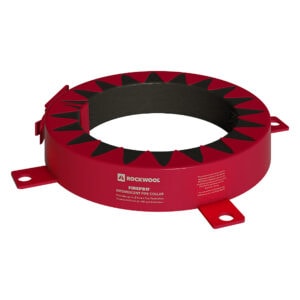
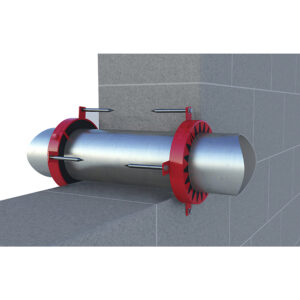
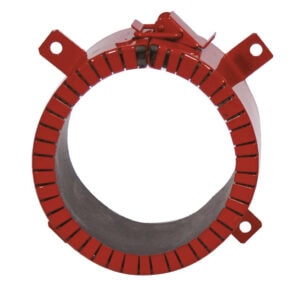
110mm Rockwool FirePro Pipe Collar CE
110mm FirePro Pipe Collar CE delivers powerful fire-activated expansion that seals plastic pipe penetrations from fire smoke and spread.
£26.16£31.39 Ex VATInc VAT Add to cart -
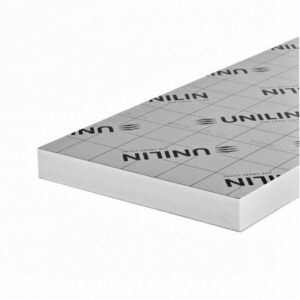
110mm Unilin Thin-R PIR Insulation Board 2400mm x 1200mm (8′ x 4′) Pallet of 21 (60.48m2)
110mm Unilin Thin-R PIR insulation is a foil faced, high-performance insulation solution that offers exceptional thermal efficiency and durability. This polyisocyanurate insulation board, formerly known as Xtratherm, is ideal for a range of applications, such as floors, pitched roofs, and walls.
POA Get a quote -
110mm IKO Enertherm ALU PIR Insulation Board 2400mm x 1200mm (8′ x 4′) 2.88m2
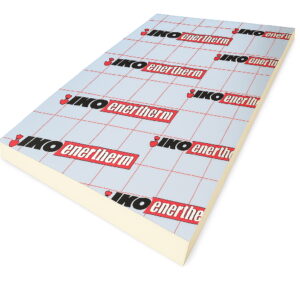
110mm IKO Enertherm ALU PIR (polyisocyanurate) insulation is a top-quality insulation board featuring a rigid PIR foam core and reflective aluminium foil facings. It delivers outstanding thermal performance and moisture resistance, making it suitable for various installations and an ideal choice for different energy-efficient projects.
POA Get a quote -
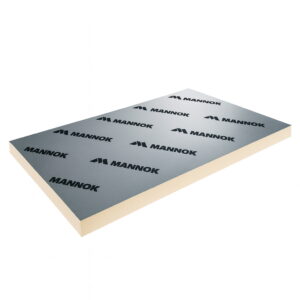
110mm Mannok PIR Insulation Board 2400mm x 1200mm (8′ x 4′) 2.88m2
110mm Mannok PIR Insulation Board is an excellent choice for anyone looking for a high-performance insulation solution that provides superior thermal efficiency. It is ideal for use in any construction project, such as commercial and residential, in wall applications as well as roofing and flooring applications.
POA Get a quote