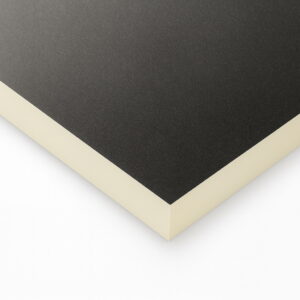
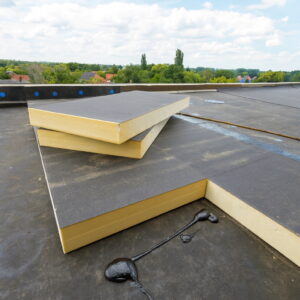
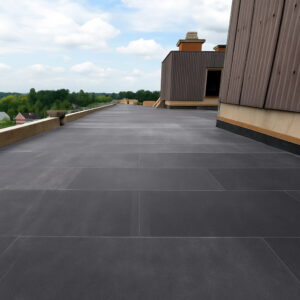
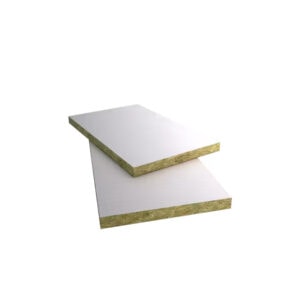
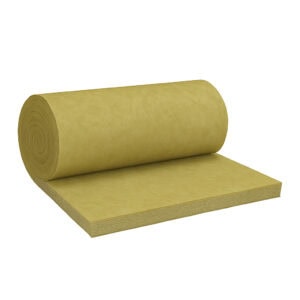
50mm Insulation
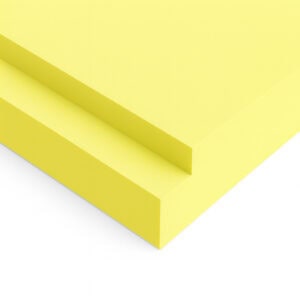
50mm insulation is a relatively thin thermal layer used when space is limited, but heat loss still needs to be reduced. In most cases, it does not replace deep insulation systems.
Instead, it improves performance where thicker products simply will not fit. It boosts comfort and efficiency without major structural changes.
What is 50mm Thick Insulation?
50mm thick insulation measures 50 millimetres from face to face when installed.
With 50mm insulation, heat transfers more slowly than it would through bare masonry, timber, or metal. The material achieves this by:
- Trapping still air (or gas) inside its structure
- Reducing direct heat-conduction paths through the building fabric
50mm thickness insulation is on the thinner side and relies heavily on the quality of the material, not just depth. High-performance boards can outperform softer products at the same thickness.
This is why thin 50mm insulation is often paired with other layers.
What is 50mm Thin Insulation Used For?
50mm insulation is used where build-ups must stay slim, such as:
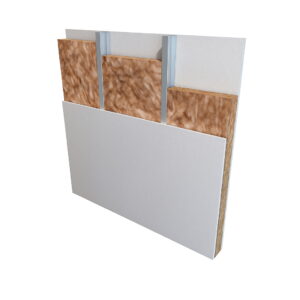
- Internal wall linings where room size matters
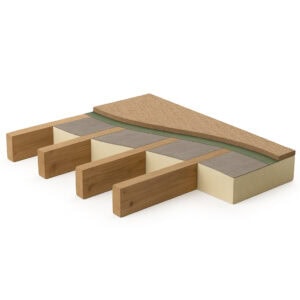
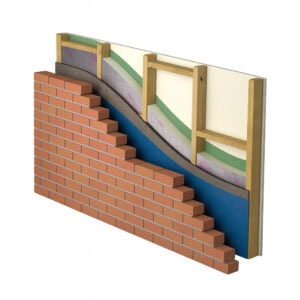
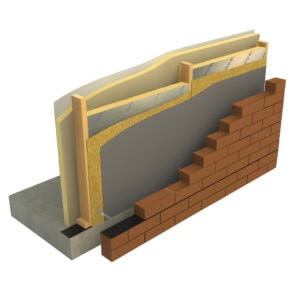
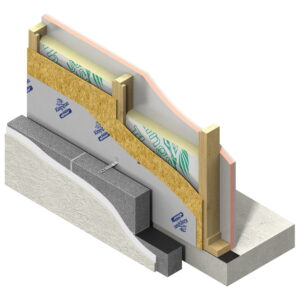
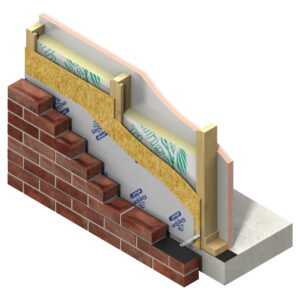
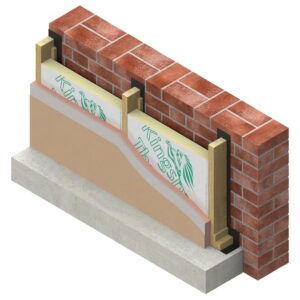
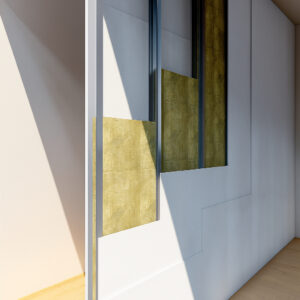
- Service zones in timber frames
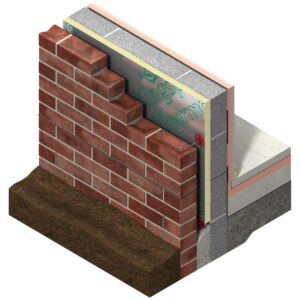
- Upgrades to older buildings with shallow cavities
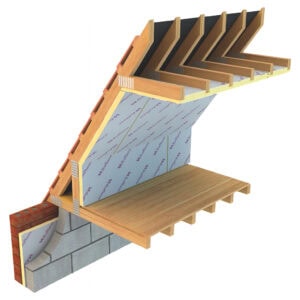
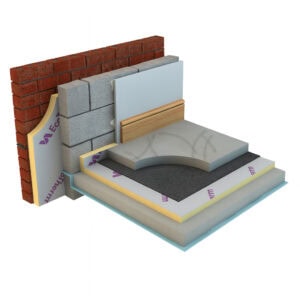
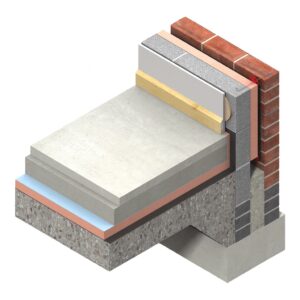
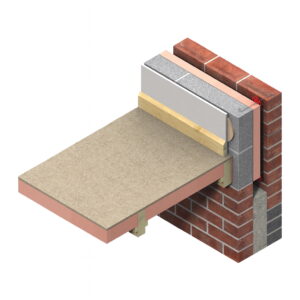
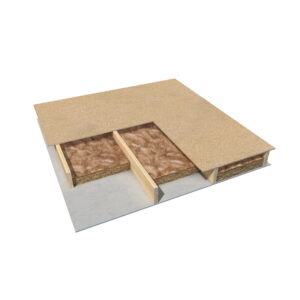
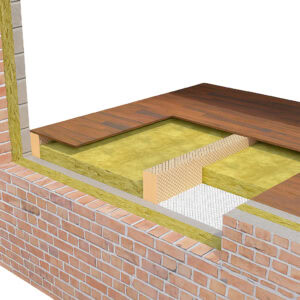
- Floors or ceilings where levels cannot be raised much
It is also used to reduce thermal bridging when correctly detailed and continuous. Even a thin layer can prevent heat from escaping quickly from cold surfaces.
50mm insulation is not chosen for maximum performance. It is chosen to control heat loss without redesigning the structure.
Types of 50mm Insulation Thickness
The most widely used 50mm insulation materials are:
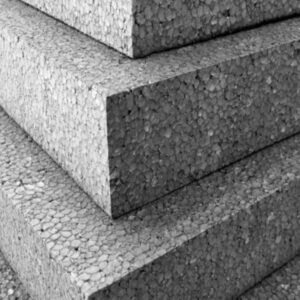
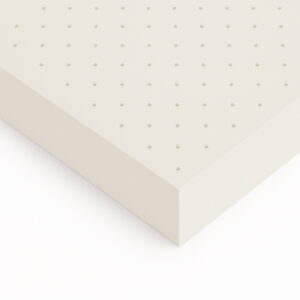
EPS (50mm Expanded Polystyrene)
At 50mm thickness, EPS:
- Offers basic thermal resistance.
- Handles moisture well. It is, however, not vapour-tight, and should be used with a vapour control layer.
- Has good compressive strength for its weight.
EPS relies mainly on trapped air, so its thermal performance per millimetre is lower than that of rigid foams. It is commonly chosen when cost and moisture tolerance are desired over outright efficiency.
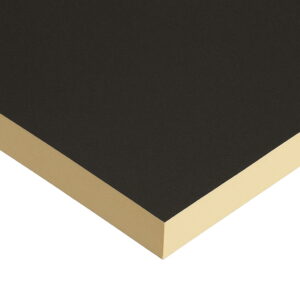
Phenolic Foam
At 50mm insulation depth, phenolic:
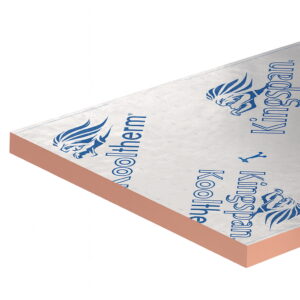
- Delivers very high thermal resistance per millimetre
- Performs well where space is limited
- Is commonly used in wall linings and soffits
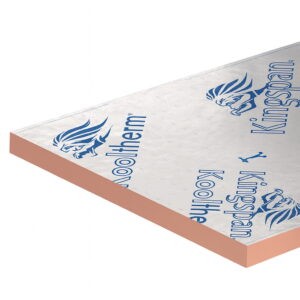
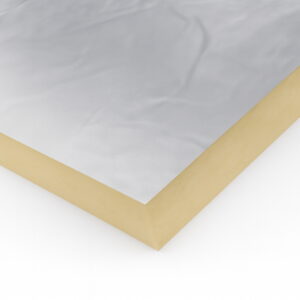
It insulates effectively per millimetre, with 50mm thickness able to match or exceed the performance of thicker PIR or mineral wool.
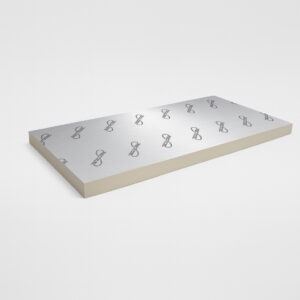
PIR (Polyisocyanurate)
At insulation 50mm thick, PIR:
- Provides strong thermal resistance
- Is easy to cut and fit accurately
- Works well in walls, floors, and roofs
PIR is often the default choice because it is robust and easy to handle.
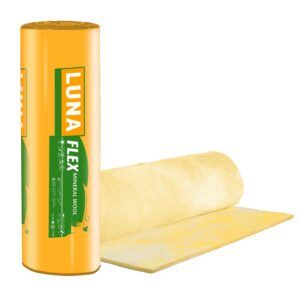
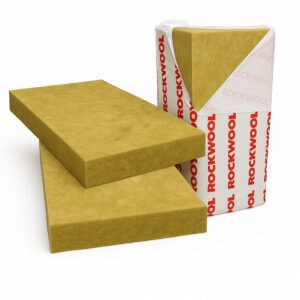
Rock Mineral Wool
At 50mm thick insulation, mineral wool:
- Offers sound absorption as well as thermal resistance
- Is vapour-permeable
- Offers excellent fire resistance.
Its thermal performance per millimetre is lower than that of rigid boards. But its acoustic and fire performance often makes it the right choice for spaces that require high sound and fire protection.
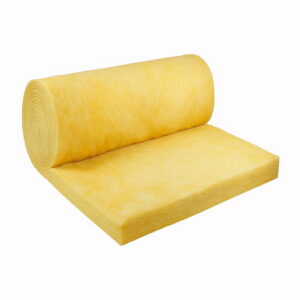
Additional insulation materials available at 50mm include glass mineral wool, XPS, vacuum insulation panel, and stone wool.
FAQ
Where to buy 50mm thick insulation
You can buy 50mm insulation online from Insulation Wholesale. We stock a wide range of 50mm thick insulation from leading manufacturers, including rigid boards and mineral wool. We offer:
- Clear technical advice
- Consistent UK stock
- Fast delivery options
- Trade pricing
If unsure which 50mm insulation is right for your project, our team will walk you through the best options.
How to cut 50mm insulation
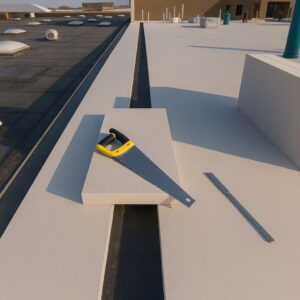
Rigid boards (PIR, phenolic, EPS): Use a fine-tooth saw or insulation knife. Score, snap, then trim cleanly.
Mineral wool: Use a long serrated blade. Compress slightly, cut once, and avoid tearing.
How to install 50mm insulation
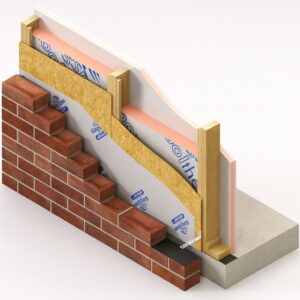
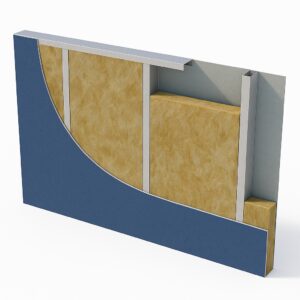
50mm insulation often sits behind plasterboard, between studs, or over solid surfaces. The fixing method depends on the substrate used.
Installation must keep the insulation continuous:
- Fit boards tightly together.
- Avoid crushing soft materials. Insert them gently, ensuring they fill the whole space.
- Seal gaps where air could move.
- Keep insulation dry during install.
How good is 50mm insulation?
50mm insulation is moderately effective, not powerful. It improves comfort and reduces heat loss, but it does not transform a building on its own.
Here’s what 50mm insulation does well:
- Cuts surface heat loss – Cold walls and ceilings lose heat fast. Adding insulation 50mm thick reduces that loss and raises surface temperatures. This reduces cold spots and the risk of condensation.
- Works where space is limited – Thin 50mm insulation fits behind plasterboard and inside shallow frames. It is also ideal for underfloors where thicker materials will not fit.
- Improves efficiency when layered – On its own, it gives a noticeable improvement. Combined with other insulation layers, it becomes much more effective.
However, 50mm insulation thickness has some limits:
- It cannot meet high-performance targets alone – UK standards for new builds and major upgrades often need more than 50mm thickness insulation.
- Material choice matters more at this depth – At insulation 50mm thickness, high-performance rigid boards outperform softer materials by a wide margin.
Showing 1–32 of 54 results
-

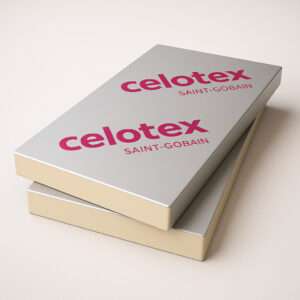
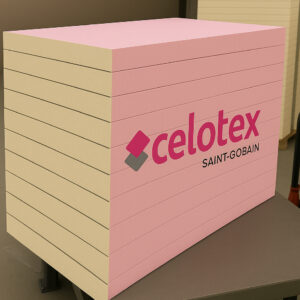
50mm Celotex CW4050 Cavity Wall Insulation Board 1200mm x 450mm 5.94m2 Pack of 11 (5.94m2)
50mm Celotex CW4050 Cavity Wall Insulation Board is an easy to install polyisocyanurate (PIR) insulation board with excellent thermal performance, featuring a low emissivity foil facing.
£44.81£53.77 Ex VATInc VAT£7.54£9.05 Per M2 Add to cart -
50mm Celotex GA4050 PIR Insulation Board 2400mm x 1200mm (8′ x 4′) 2.88m2
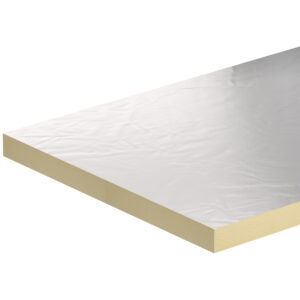
50mm Celotex GA4050 is a polyisocyanurate (PIR) insulation core with composite aluminium foil facings on both sides. Celotex is a multi-purpose insulation board suitable for use in pitched roofs, ceilings, floors and walls.
£15.99£19.19 Ex VATInc VAT£5.55£6.66 Per M2 Add to cart -
50mm Ecotherm Eco-Versal PIR Insulation Board 2400mm x 1200mm (8′ x 4′) 2.88m2
50mm Ecotherm Eco-Versal is a polyisocyanurate (PIR) insulation core with composite aluminium foil facings on both sides. Ecotherm Eco-Versal is a multi-purpose insulation board suitable for use in pitched roofs, ceilings, floors and walls.
£15.99£19.19 Ex VATInc VAT£5.55£6.66 Per M2 Add to cart -
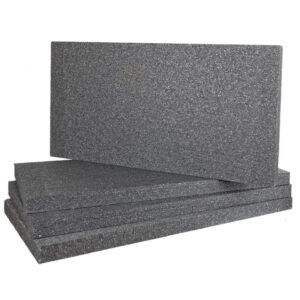
50mm Expanded Polystyrene EPS100 Insulation Board 2400mm x 1200mm (8′ x 4′) Pack of 12 (34.56m2)
50mm EPS100, often known as Expanded Polystyrene, is a lightweight foam product produced from tiny polystyrene beads. Due to its high thermal value and simplicity of usage, it is commonly used as one of the most favoured insulation materials in construction.
£123.75£148.50 Ex VATInc VAT£3.58£4.30 Per M2 Add to cart -
50mm Expanded Polystyrene EPS150 Insulation Board 2400mm x 1200mm (8′ x 4′) Pack of 12 (34.56m2)
50mm EPS150, often known as Expanded Polystyrene, is a lightweight foam product produced from tiny polystyrene beads. Due to its high thermal value and simplicity of usage, it is commonly used as one of the most favoured insulation materials in construction.
Non- refundable.
£159.72£191.66 Ex VATInc VAT£4.62£5.54 Per M2 Add to cart -
50mm Expanded Polystyrene EPS200 Floor Insulation Board 2400mm x 1200mm (8′ x 4′) Pack of 12 (34.56m2)
50mm EPS200, often known as Expanded Polystyrene, is a lightweight foam product produced from tiny polystyrene beads. Due to its high thermal value and simplicity of usage, it is commonly used as one of the most favoured insulation materials in construction.
£282.11£338.53 Ex VATInc VAT£8.16£9.79 Per M2 Add to cart -
50mm Expanded Polystyrene EPS250 Floor Insulation Board 2400mm x 1200mm (8′ x 4′) Pack of 12 (34.56m2)
50mm EPS250, often known as Expanded Polystyrene, is a lightweight foam product produced from tiny polystyrene beads. Due to its high thermal value and simplicity of usage, it is commonly used as one of the most favoured insulation materials in construction.
Non- refundable.
£374.89£449.87 Ex VATInc VAT£10.85£13.02 Per M2 Add to cart -
50mm Expanded Polystyrene EPS70 Insulation Board 2400mm x 1200mm (8′ x 4′) 2.88m2 (Pack of 12)
50mm EPS70, often known as Expanded Polystyrene, is a lightweight foam product produced from tiny polystyrene beads. Due to its high thermal value and simplicity of usage, it is commonly used as one of the most favoured insulation materials in construction.
£90.83£109.00 Ex VATInc VAT£2.63£3.16 Per M2 Add to cart -
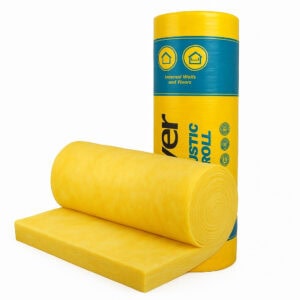
50mm Isover Acoustic Partition Insulation Roll – Glass Mineral Wool 15.60m2
50mm Isover Acoustic Partition Insulation Roll is a glass mineral wooldesigned to reduce sound transmission between walls and floors, creating quieter and more comfortable spaces.
£39.35£47.22 Ex VATInc VAT£2.52£3.02 Per m2 Add to cart -
50mm Jablite HP+ 70E External Wall Insulation Board 1200mm x 600mm (4′ X 2′) Pack of 12 (8.64m2)
50mm Jablite HP+ 70E EWI External Wall Insulation Board 1200mm x 600mm (4′ X 2′) sold in Pack of 12.
£42.01£50.41 Ex VATInc VAT£4.86£5.83 Per Sheet Add to cart -
50mm Kingspan GreenGuard GG300 R Rigid Extruded Polystyrene Insulation Board 1250mm x 600mm Pack of 8 (6.00m2)
50mm Kingspan GreenGuard GG300 is a high performance rigid extruded polystyrene insulation. It is used to insulate inverted roofs, basements, car park decks, and heavy-duty commercial, industrial and cold store flooring offering a thermal conductivities as low as 0.033 W/m·K
£54.49£65.39 Ex VATInc VAT£9.08£10.90 Per M2 Add to cart -
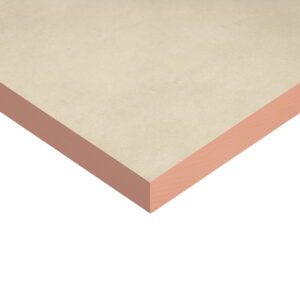
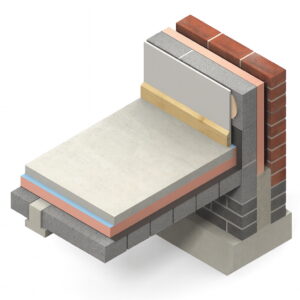
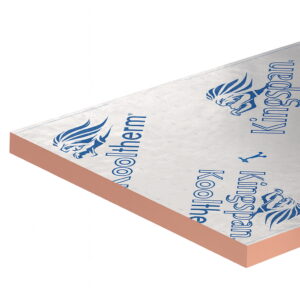
50mm Kingspan Kooltherm K103 Insulation Floorboard 2400mm x1200mm Pack of 6 (17.28m2)
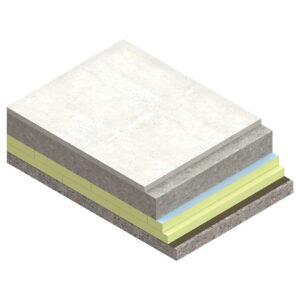
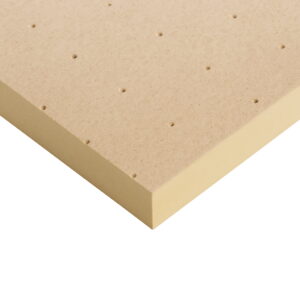
50mm Kooltherm K103 is a premium phenolic core floor insulation solution, designed to deliver exceptional performance with solid concrete or suspended timber floors.
£303.73£364.48 Ex VATInc VAT£17.58£21.10 Per M2 Add to cart -
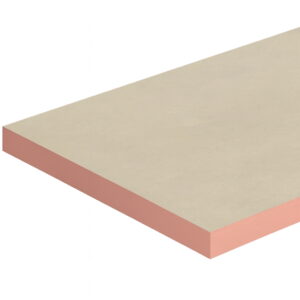
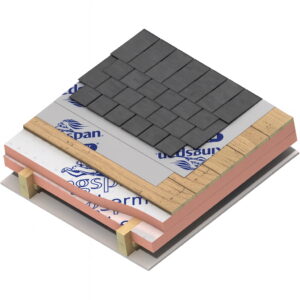
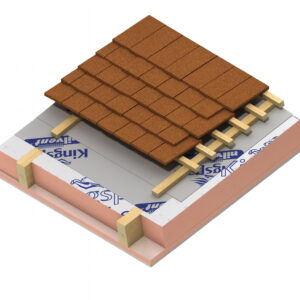
50mm Kingspan Kooltherm K107 Pitched Roof Board 2400mm x 1200mm Pack of 6 (17.28m2)
50mm Kingspan Kooltherm K107 Pitched Roof Board is a premium performance insulation with a fibre-free rigid thermoset phenolic core. It is used to insulate pitched roofs and attic spaces, and has a thermal conductivity of just 0.019 W/m.K across all thicknesses.
£303.09£363.71 Ex VATInc VAT£17.54£21.05 Per M2 Add to cart -
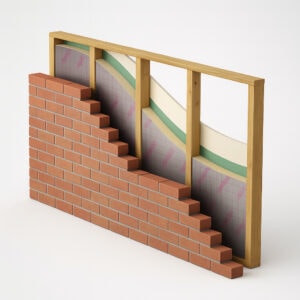
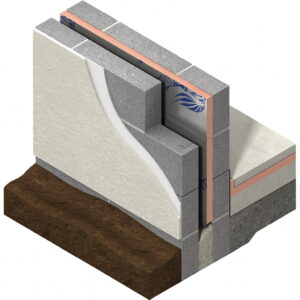
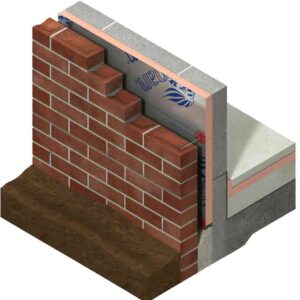
50mm Kingspan Kooltherm K108 Cavity Board Insulation 1200mm x 450mm Pack of 10 (5.40m2)
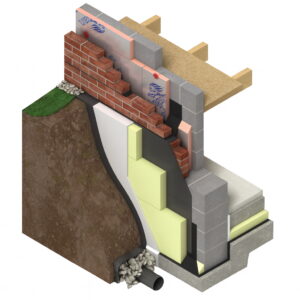
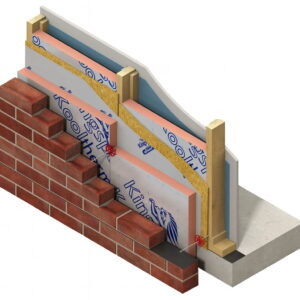
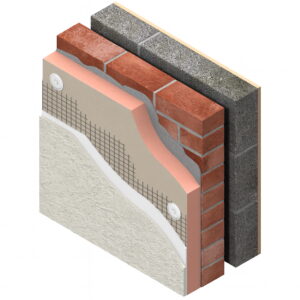
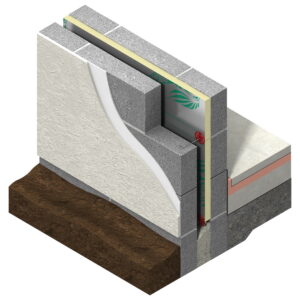
50mm Kingspan Kooltherm K108 partial fill cavity wall board is a premium performance lower lambda insulation with a rigid thermoset fibre-free phenolic core. It is faced on both sides with a low emissivity composite foil facing and is used in partially filled cavity walls.
£102.00£122.40 Ex VATInc VAT£18.89£22.67 Per M2 Add to cart -
50mm Kingspan Kooltherm K112 Framing Insulation Board 2400mm x 1200mm Pack of 6 (17.28m2)
50mm Kingspan Kooltherm K112 Framing Board is a premium performance insulation with a fibre-free rigid thermoset phenolic core. It is used to insulate timber and steel framing systems with thermal conductivity of just 0.019 W/mK across all thicknesses.
£380.34£456.41 Ex VATInc VAT£22.01£26.41 Per M2 Add to cart -
50mm Kingspan Kooltherm K5 External Wall Insulation Board 1200mm x 600mm Pack of 10 (7.20m2)
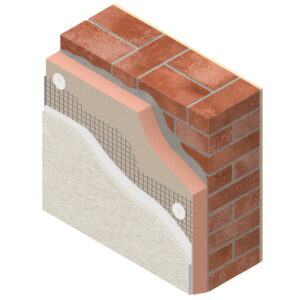
50mm Kingspan Kooltherm K5 External Wall Board is a premium performance insulation with a fibre-free rigid thermoset phenolic core used as external insulation for masonry walls.
£124.13£148.96 Ex VATInc VAT£17.24£20.69 Per M2 Add to cart -
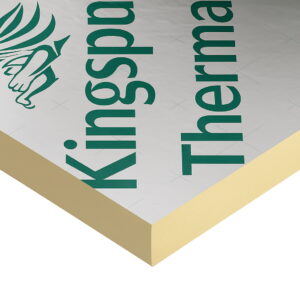
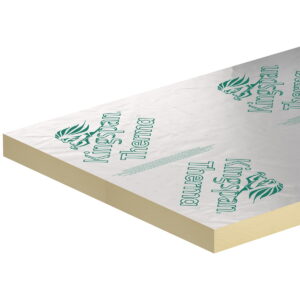
50mm Kingspan Therma TP10 / TF70 / TW55 PIR Insulation Board 154.836m (8′ x 4′) Pack of 6 (17.28m2)
All three models 50mm Kingspan Therma PIR Insulation Board:
- 50mm Thermapitch TP10
- 50mm Thermafloor TF70
- 50mm Thermawall TW55
share the same high-performance PIR core and low-emissivity foil facings, offering excellent thermal efficiency and easy installation. Although labeled differently, these boards share identical technical specifications.
£159.59£191.51 Ex VATInc VAT£9.24£11.09 Per M2 Add to cart -
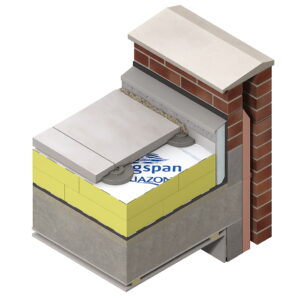
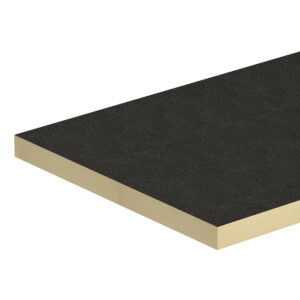
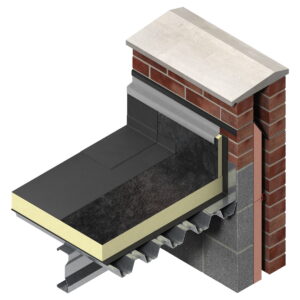
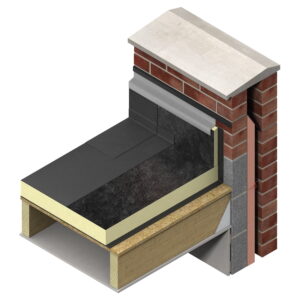
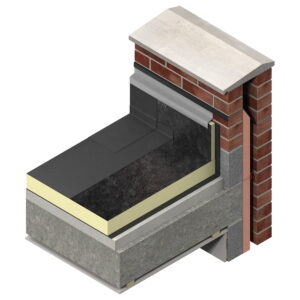
50mm Kingspan Thermaroof TR24 Flat Roof PIR Insulation Board 1200mm x 600mm Pack of 6 (4.32m2)
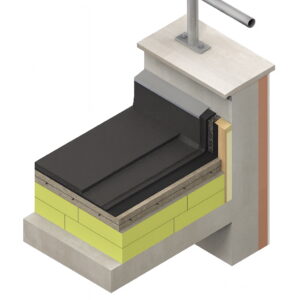
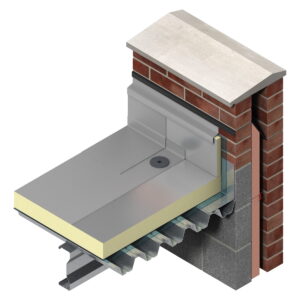
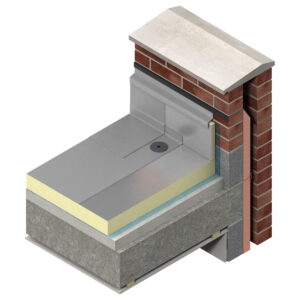
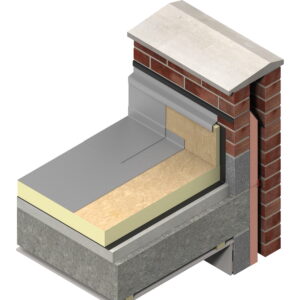
50mm Kingspan Thermaroof TR24 is a high performance insulation with a fibre-free rigid thermoset polyisocyanurate (PIR) core. Kingspan Thermaroof is suitable for flat roofs waterproofed with partially bonded torch applied multi-layer bituminous waterproofing.
£64.73£77.68 Ex VATInc VAT£14.98£17.98 Per M2 Add to cart -
50mm Kingspan Thermaroof TR26 PIR Insulation Board 2400mm x 1200mm (8′ x 4′) Pack of 6 (17.28m2)
50mm Kingspan TR26 Thermaroof is high-performance insulation that has a fiber-free rigid thermoset polyisocyanurate (PIR) core. Suitable for flat roof application waterproofed with mechanically fixed single-ply waterproofing.
£215.62£258.74 Ex VATInc VAT£12.48£14.98 Per M2 Add to cart -
50mm Kingspan Thermaroof TR27 PIR Insulation Board 1200mm x 1200mm Pack of 6 (8.64m2)
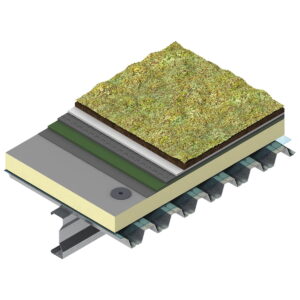
50mm Kingspan Thermaroof TR27 is a high performance insulation with a fibre-free rigid thermoset polyisocyanurate (PIR) core. It is used to insulate flat roofs waterproofed with fully adhered single-ply, partially bonded built-up felt, mastic asphalt and cold liquid applied waterproofing.
Non-refundable.
£113.16£135.79 Ex VATInc VAT£13.10£15.72 Per M2 Add to cart -
50mm Kingspan Thermawall TW50 PIR Insulation Board 1200mm x 450mm Pack of 10 (5.40m2)
50mm Kingspan Thermawall TW50 is a high performance insulation with thermal conductivity of 0.022 W/mK. Therma is a range of PIR insulation available in a range of thicknesses.Non-refundable.£54.00£64.80 Ex VATInc VAT£10.00£12.00 Per M2 Add to cart -
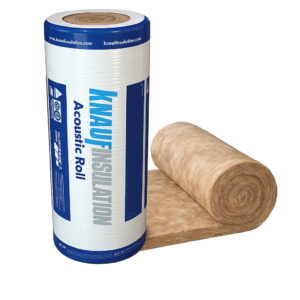
50mm Knauf Acoustic Insulation Roll – Glass Mineral Wool 16.2m2
50mm Acoustic Insulation Roll from Knauf is a Glass Mineral Wool roll, designed for use in internal wall and floor applications, to offer sound absorption and noise reduction properties.
£37.68£45.22 Ex VATInc VAT£2.33£2.80 Per m2 Add to cart -
50mm ODE Acoustic Roll Insulation 12m2 Roll
50mm ODE Insulation Acoustic Roll is designed to reduce sound transmission, making it an ideal solution for creating quieter indoor environments. Its flexible and simple-to-install design effectively absorbs sound, making it perfect for both residential and commercial spaces.
£27.71£33.25 Ex VATInc VAT£2.31£2.77 Per m2 Add to cart -
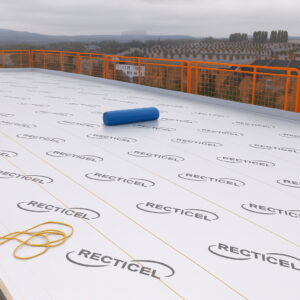
50mm Recticel Eurothane Eurodeck Insulation Board 2400mm x 1200mm Pack of 6 (17.28m2)
50mm Eurothane® Eurodeck is compatible with mechanically fixed single-ply systems, benefiting from high compressive strength and excellent dimensional stability that ensures the flat surface finish required for optimum performance in new build and refurbishment projects. It is faced on both sides with a multi-layer coated aluminum foil.
POA Get a quote -
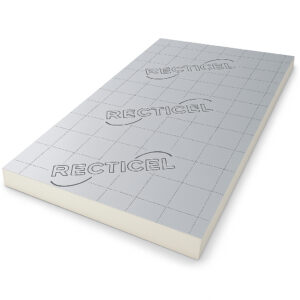
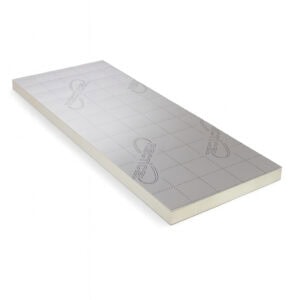
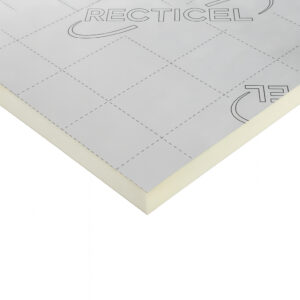
50mm Recticel Eurothane GP PIR Insulation Board 2400mm x 1200mm (8′ x 4′) 2.88m2
50mm Recticel Eurothane GP is a polyisocyanurate (PIR) insulation core with composite aluminium foil facings on both sides. Recticel is a multi-purpose insulation board suitable for use in pitched roofs, ceilings, floors and walls.
£15.89£19.07 Ex VATInc VAT£5.52£6.62 Per M2 Add to cart -
50mm Recticel Eurowall Partial Cavity Wall Insulation Board 1200mm x 450mm Pack of 20 (10.80m2)
50mm Recticel Eurowall Partial Cavity is an advanced thermal insulation panel tailored for use in cavity wall systems, delivering exceptional energy efficiency and robust performance.
£104.15£124.98 Ex VATInc VAT£9.64£11.57 Per M2 Add to cart -
50mm Recticel Powerdeck F Flat Roof Insulation Board 1200mm x 600mm Pack of 10 (7.20m2)
50mm Powerdeck F flat roof insulation board is compatible with multiple waterproofing systems, benefiting from high compressive strength and excellent dimensional stability. Both sides of Powerdeck F are faced with a mineral coated glass fleece.
£73.28£87.94 Ex VATInc VAT£10.18£12.22 Per M2 Add to cart -
50mm Recticel Powerdeck U Flat Roof Insulation Board 1200mm x 600mm Pack of 10 (7.20m2)
50mm Powerdeck U flat roof insulation board is a high performance rigid PIR insulation board for use in warm flat roofs with bituminous torch-on felt waterproofing systems. Both sides of Powerdeck U are faced with a bituminous coated glass fleece.
£78.52£94.22 Ex VATInc VAT£10.91£13.09 Per M2 Add to cart -
50mm Rockwool Ductslab Insulation 1000mm x 600mm 4.8m2 Pack
50mm Rockwool Ductslab Insulation is a high-performance, non-combustible stone wool solution designed to provide thermal, acoustic and fire resistance for rectangular ductwork in HVAC systems.
£64.58£77.50 Ex VATInc VAT£13.45£16.14 Per M2 Add to cart -
50mm Rockwool RWA45 Acoustic Insulation Slab 1200 x 600mm 6.48m2 Pack
50mm Rockwool RWA45 has been developed for thermal, acoustic and fire performance in a range of construction types. It is suitable for applications on partition walls, ceilings, floors and roofs.
£26.39£31.67 Ex VATInc VAT£4.07£4.88 Per m2 Add to cart -
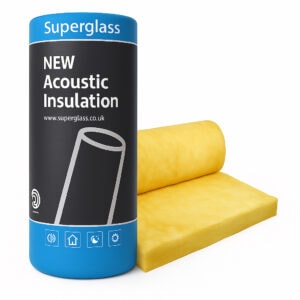
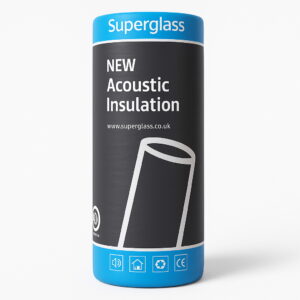
50mm Superglass Acoustic Partition Roll Insulation 15.60m2 Roll
50mm Superglass Acoustic Partition Roll (APR) is a lightweight, non-combustible glass mineral wool insulation roll. It is suitable for the following applications: internal walls and floors, timber and metal stud partitions, drylining systems and separating walls and floors. Manufactured at a minimum density of 10kg/m³.
£40.35£48.42 Ex VATInc VAT£2.59£3.11 Per m2 Add to cart -
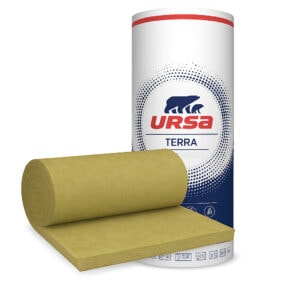
50mm URSA Acoustic Partition Roll Insulation 14.4m2 Roll
50mm URSA Acoustic Roll is a lightweight, non-combustible, unfaced glass mineral wool product for use as acoustic insulation in timber or metal framed internal partition walls, timber or metal framed separating walls and timber separating floors.
£39.48£47.38 Ex VATInc VAT£2.74£3.29 Per m2 Add to cart